

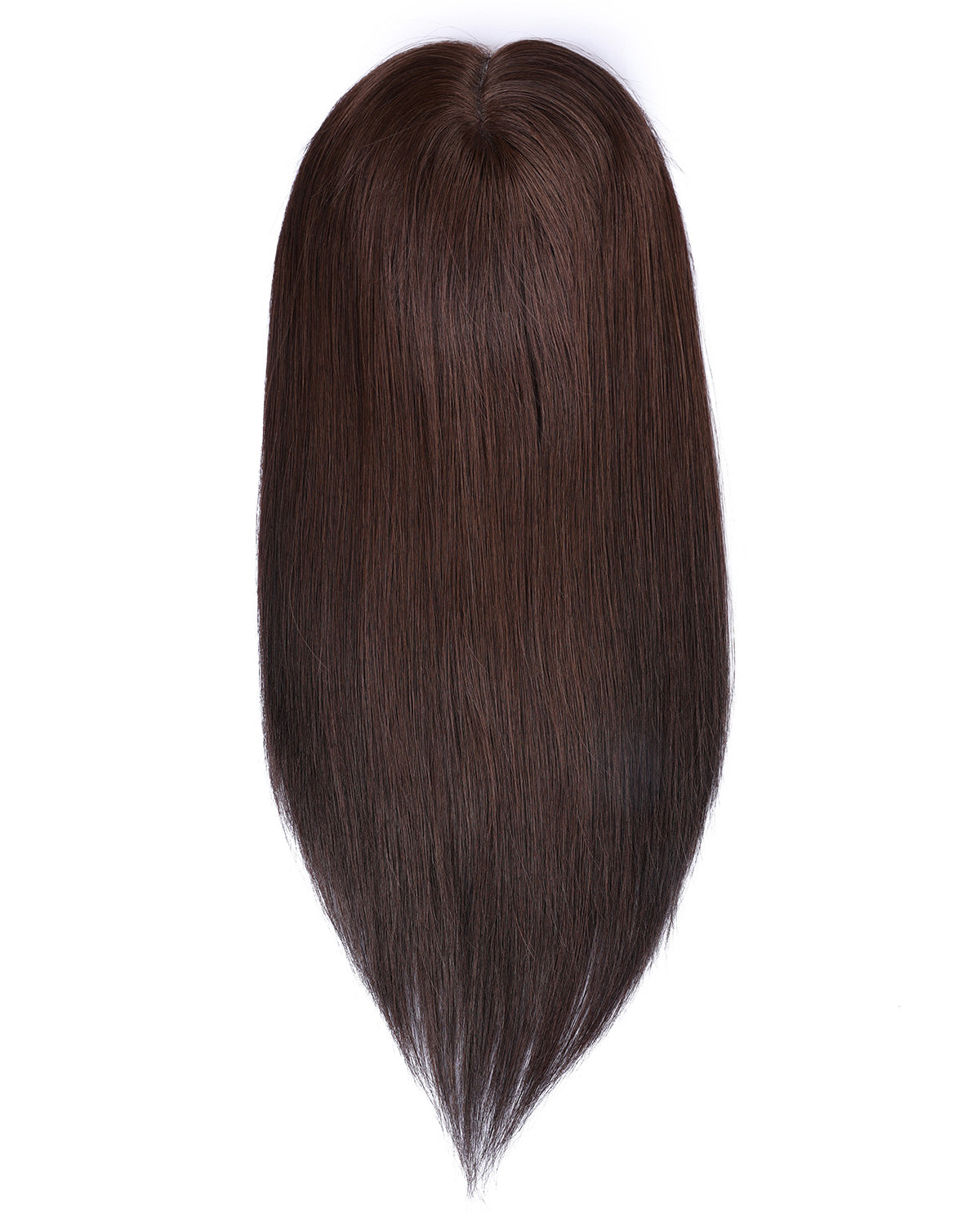


When people think about realistic hair systems, they often focus on hair density, color, or texture. While these factors are important, one element plays a larger role than almost anything else: the hairline.
A natural hairline can make the difference between a hair system that looks believable and one that immediately attracts attention.
The Hairline Frames the Entire Face
The front hairline is one of the most visible features of any hairstyle.
Whether hair is styled forward, to the side, or brushed back, the hairline helps define facial proportions and overall appearance.
Because people naturally look at faces during conversation, even small irregularities in the hairline can become noticeable.
That is why modern hair systems place such strong emphasis on realistic front-edge design.
Natural Hairlines Are Not Perfect
One common mistake in hair restoration is assuming that a perfect hairline looks natural.
In reality, natural hairlines contain subtle variations. Individual hairs grow at different angles, densities vary slightly, and the edge is rarely perfectly straight.
Modern hair systems mimic these characteristics by creating softer, more irregular front transitions that resemble real hair growth.
Sometimes imperfection is what creates authenticity.
Density Matters at the Front
Even when overall density looks realistic, an overly thick front hairline can make a system appear unnatural.
Most natural hairlines are slightly lighter than the hair behind them. This gradual transition creates softness and realism.
Modern systems often use graduated density at the front to replicate this effect, helping the hairline blend naturally into the skin.
Advanced Materials Improve Realism
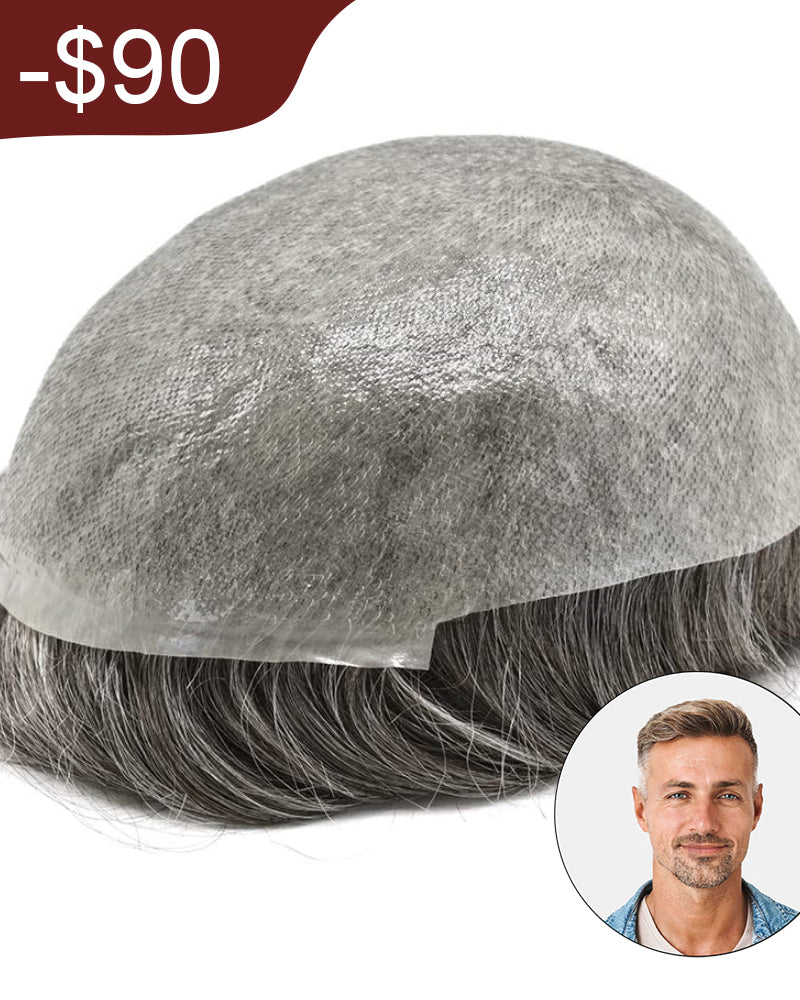
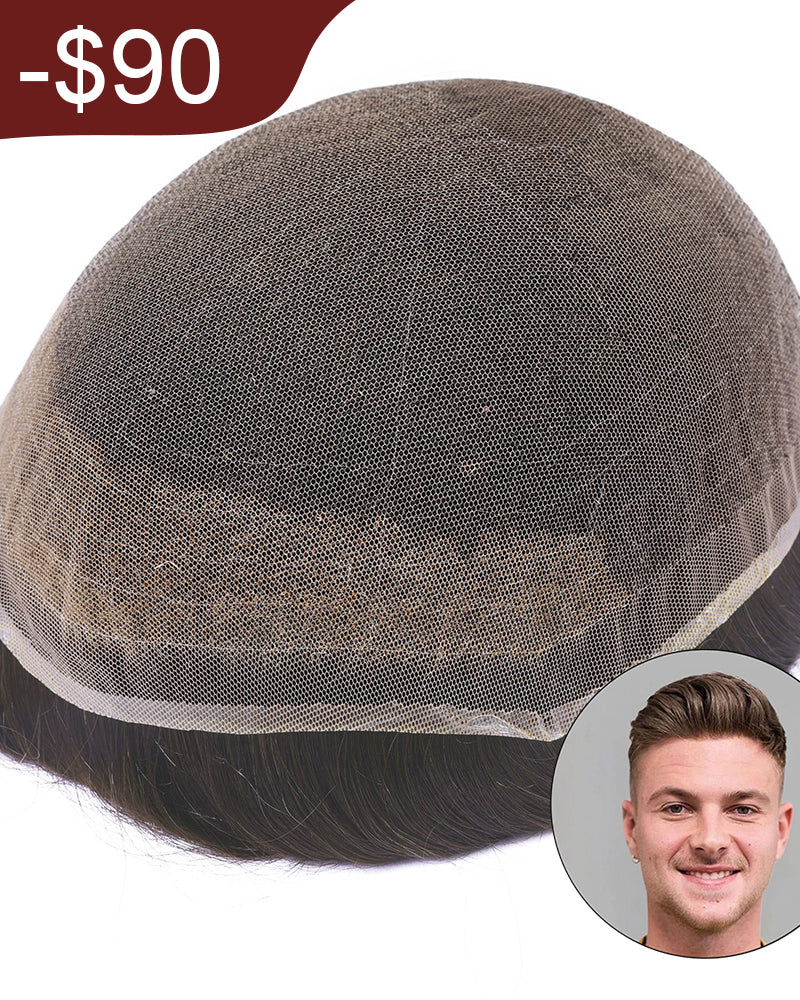
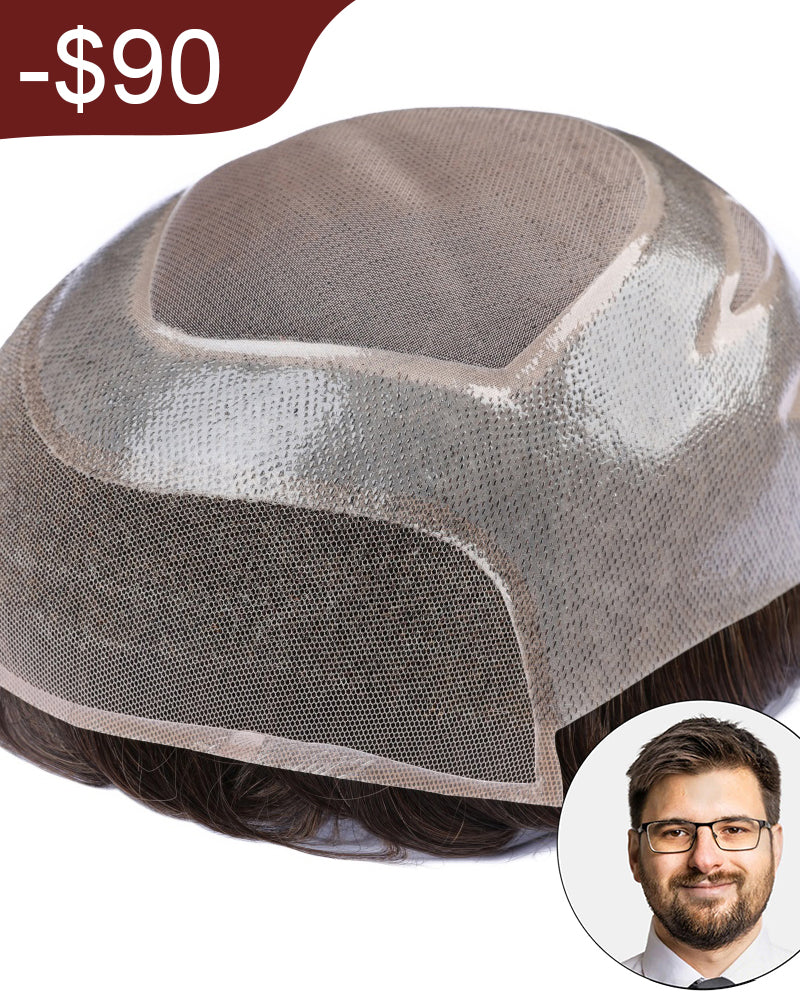
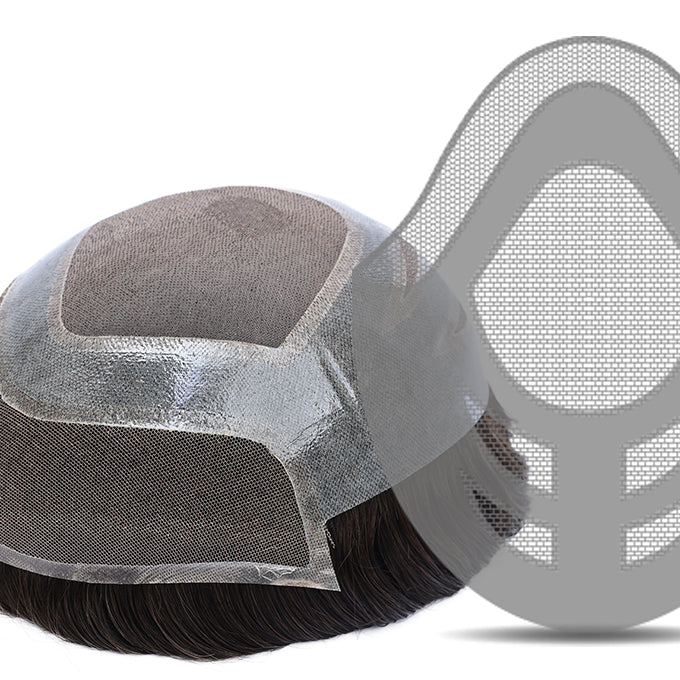
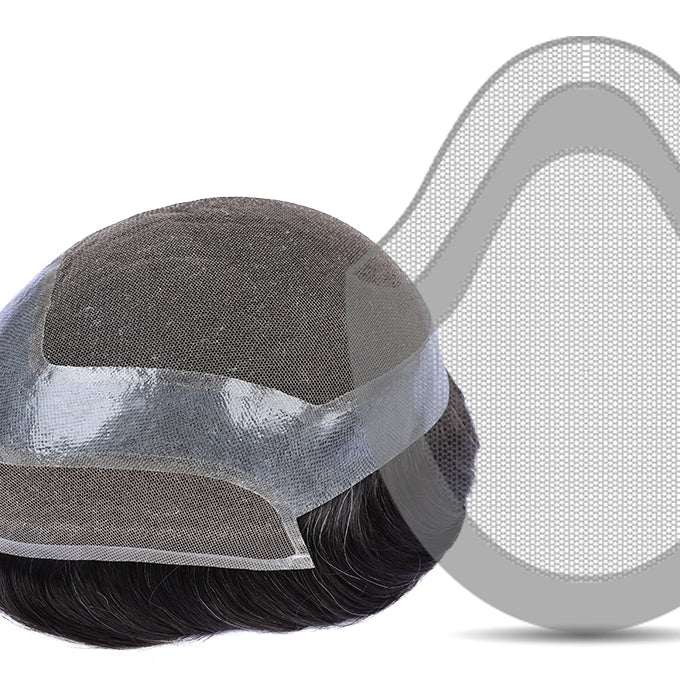
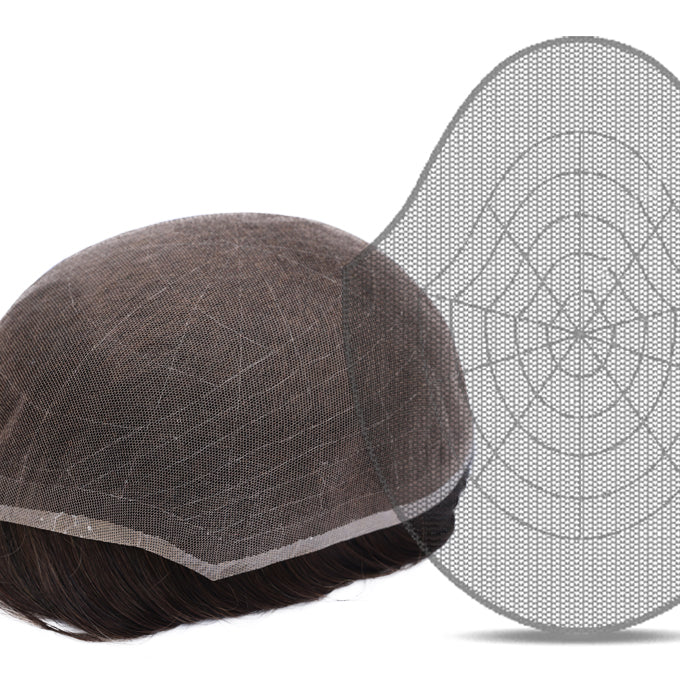
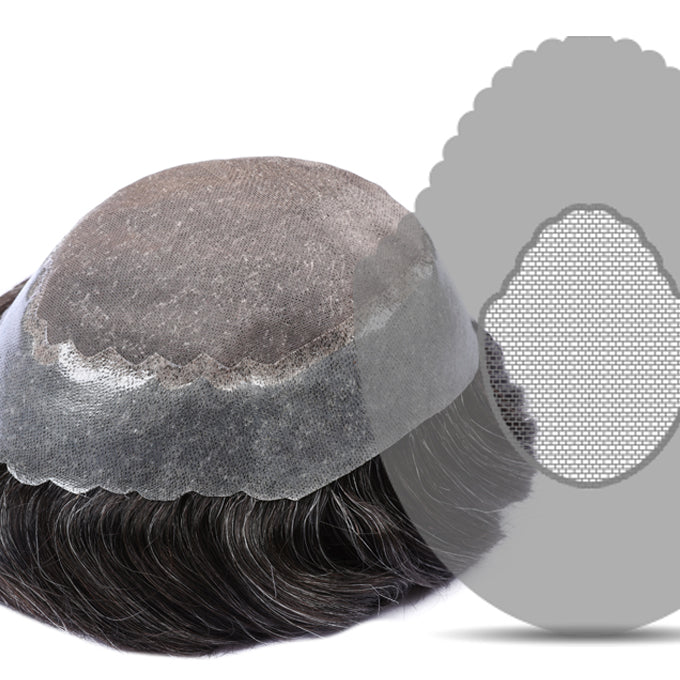
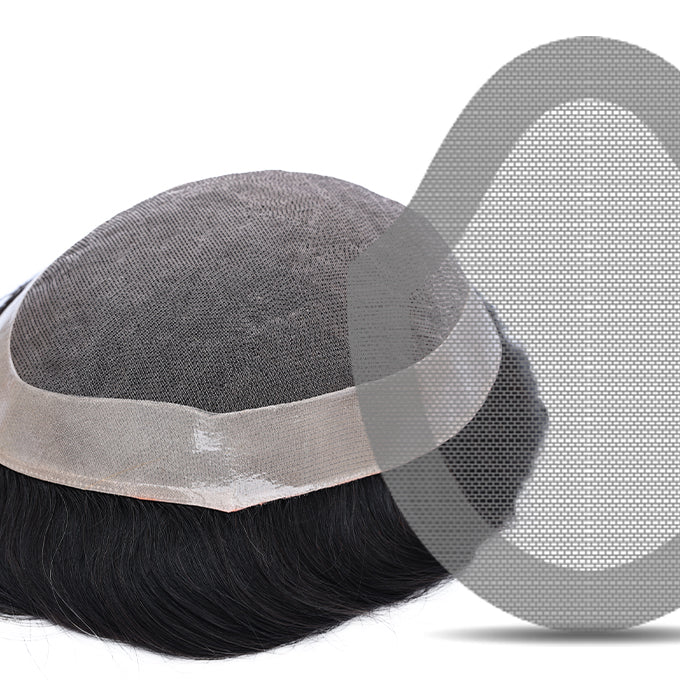
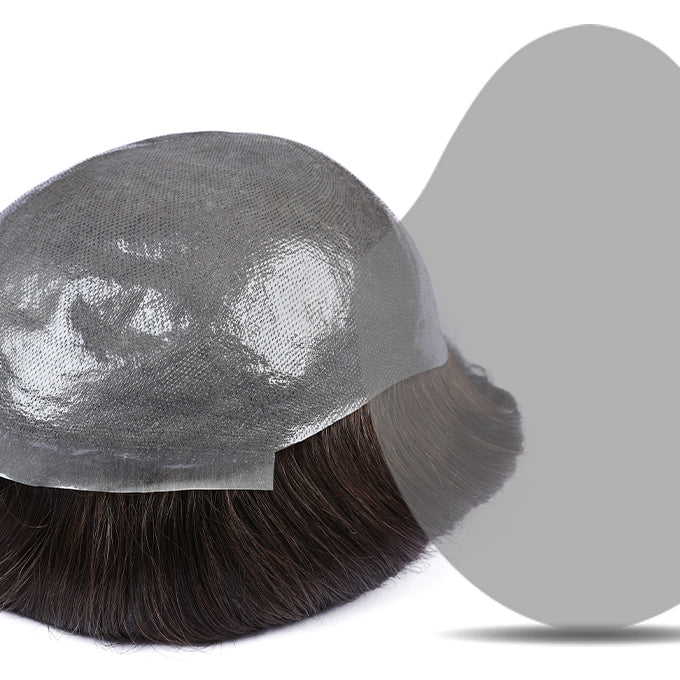
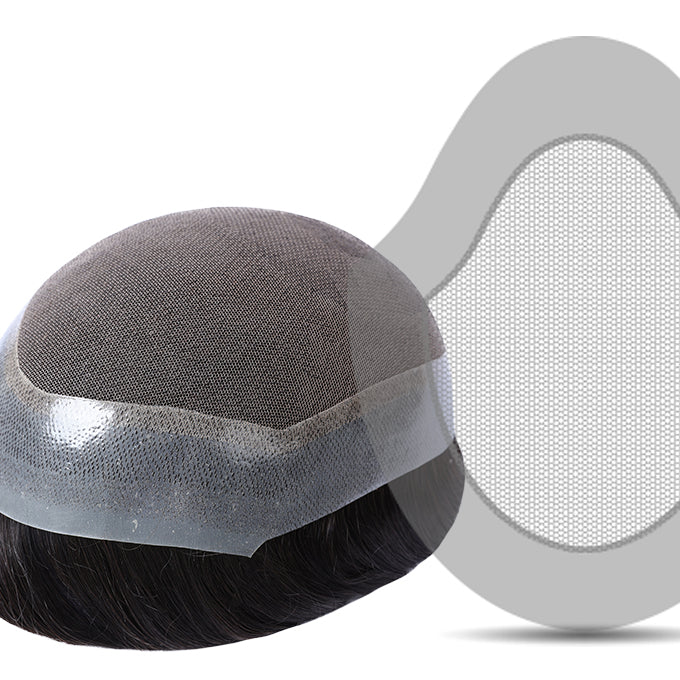
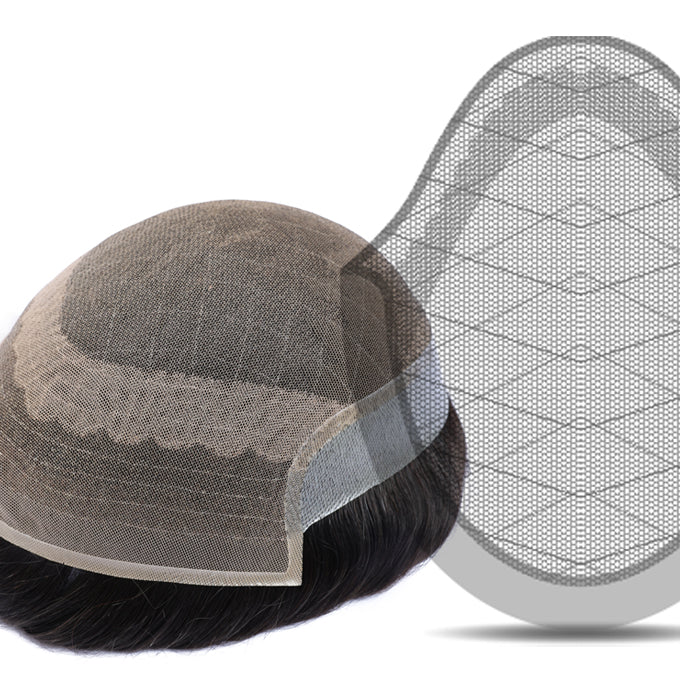
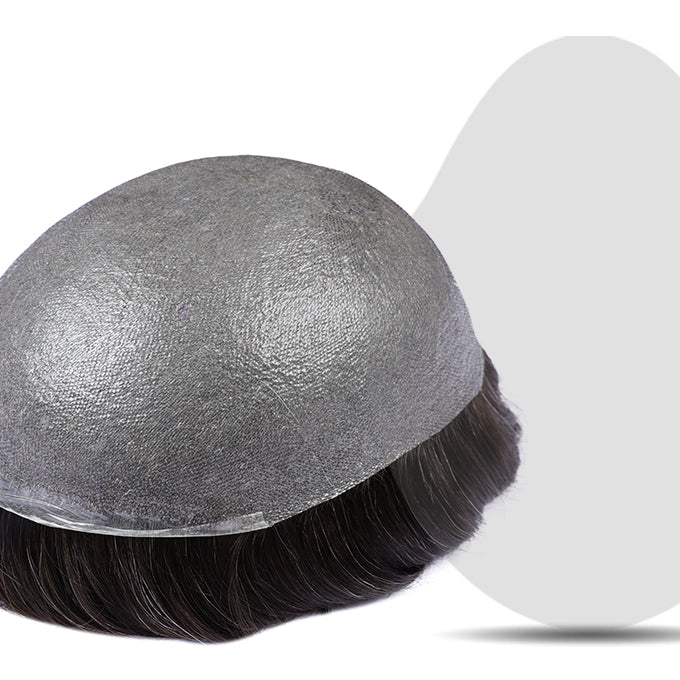
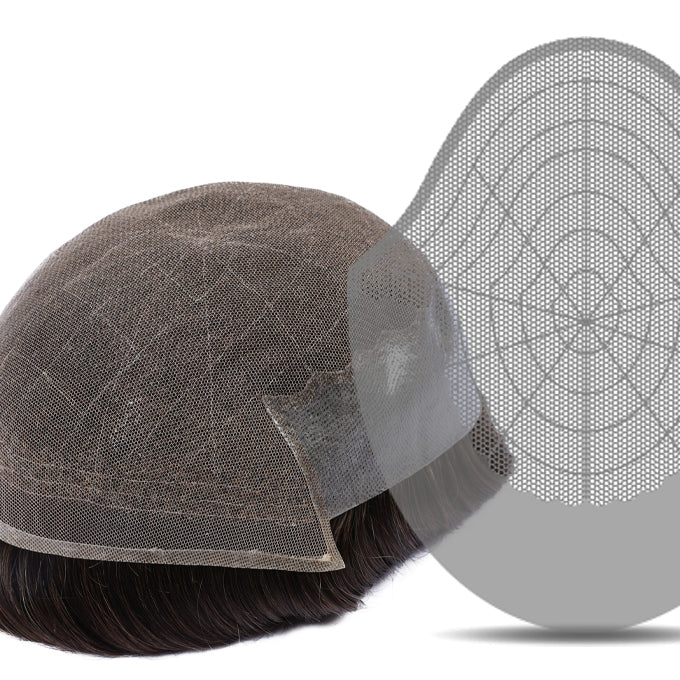
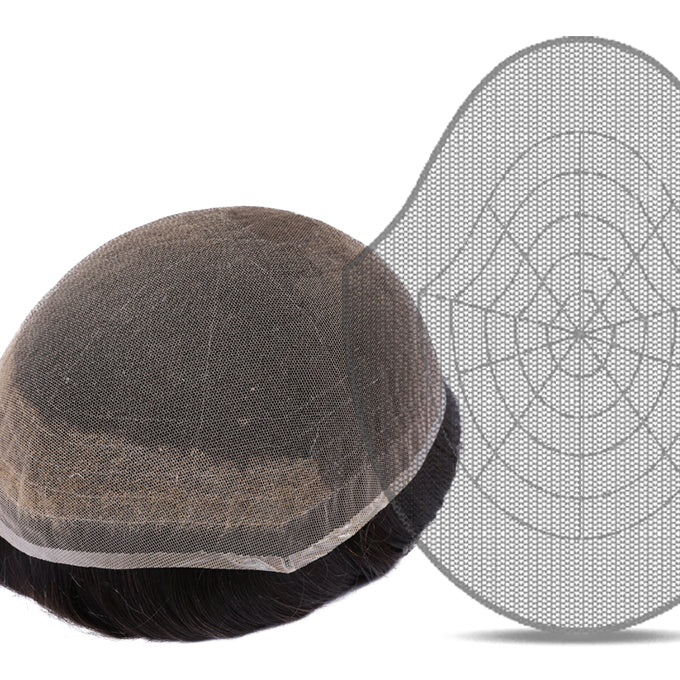
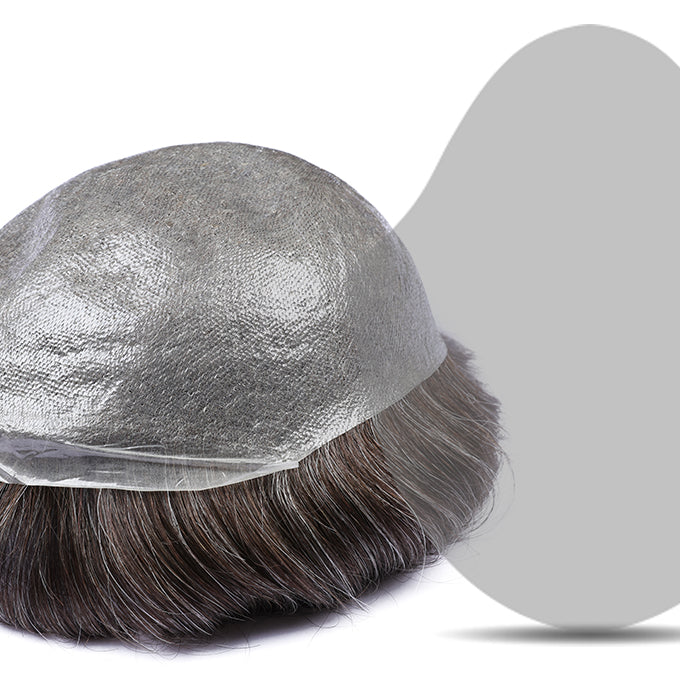
The development of lace and ultra-thin skin bases has transformed hairline design.
These materials allow individual hairs to appear as though they are growing directly from the scalp. The edge becomes far less visible, even under close inspection.
As a result, modern wearers can enjoy styling flexibility without constantly worrying about detection.
Proper Positioning Is Just as Important
Even the most realistic hairline can look unnatural if it is positioned incorrectly.
A hairline that sits too low may appear artificial, while one that is too high may fail to provide the desired coverage.
The goal is to create a balanced placement that matches facial proportions and age-appropriate hair growth patterns.
Natural results depend on both design and positioning.
Styling Can Enhance the Hairline
The way hair is styled can significantly influence how natural a hairline appears.
Soft, textured styles often create more realistic transitions than heavily sculpted looks. Lightweight styling products can help maintain movement while preserving a natural appearance.
The best styling supports the hairline rather than drawing attention to it.
Why Realism Builds Confidence
When men trust their hairline, they stop worrying about angles, lighting, and close conversations.
This confidence often translates into more relaxed body language, better social interactions, and greater overall comfort.
The goal is not simply to create a realistic hairline—it is to create peace of mind.
Final Thoughts: Small Detail, Big Impact
Among all the features of a modern hair system, the hairline remains one of the most important.
A realistic hairline creates natural facial framing, improves overall appearance, and supports confidence in everyday situations.
While density, color, and texture all matter, it is often the hairline that determines whether a hair system truly disappears into the background.
