

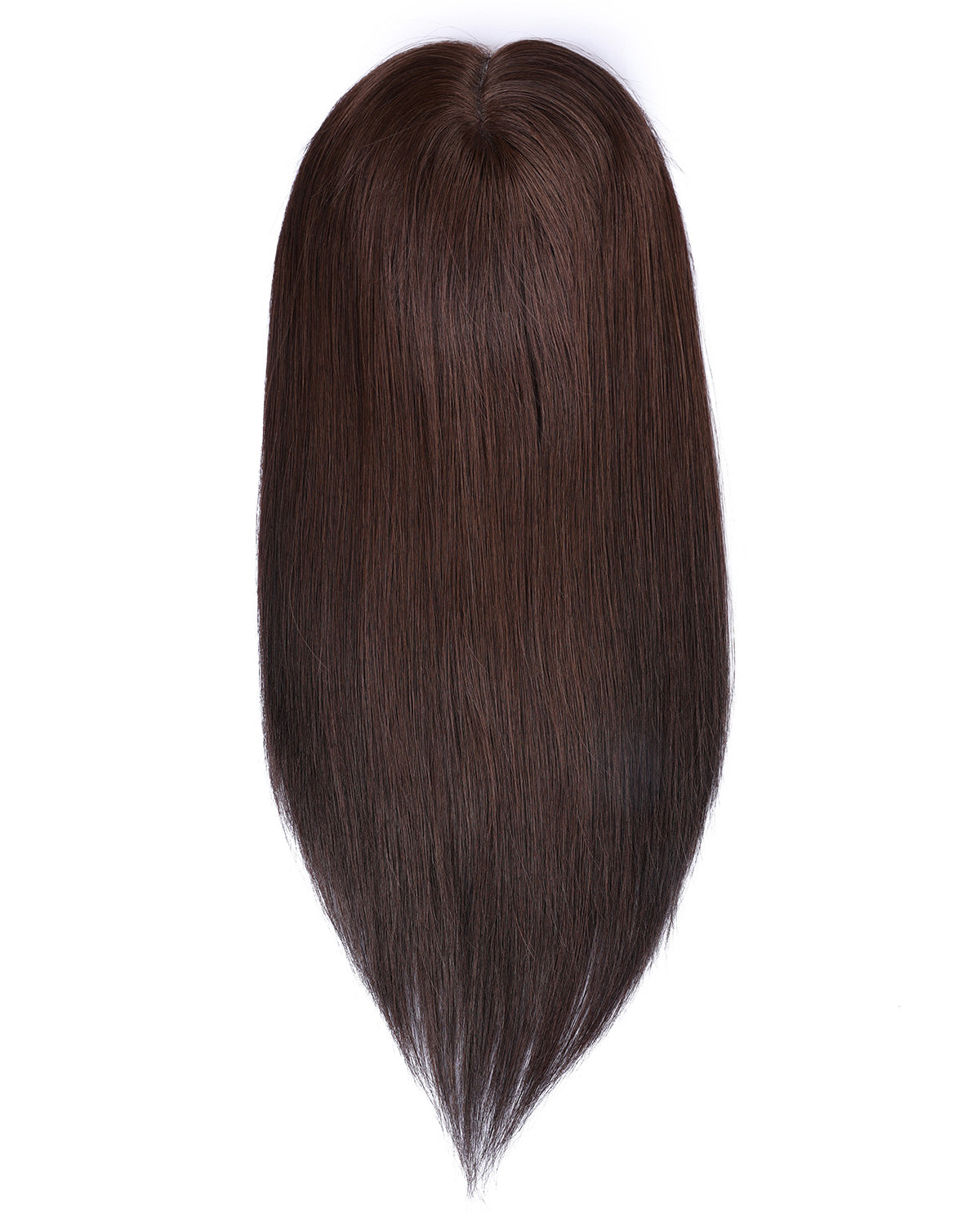


In the world of modern hair systems, realism is no longer optional — it is expected. Today’s wearers want more than coverage. They want comfort. They want undetectable results. They want to look in the mirror and see themselves again.
That is where lightweight density hair systems come in.
At Genthair, we have seen a growing shift toward lighter densities — especially among mature men, professionals, and first-time wearers. The reason is simple: natural hair is rarely thick and heavy. As we age, hair softens, thins slightly, and moves more freely. A hair system that mimics that natural evolution creates a result that feels authentic, effortless, and age-appropriate.
This article explores why lightweight density systems are becoming the preferred choice, how they enhance realism, and how to choose the right one for your lifestyle.
What Does “Light Density” Really Mean?
Density refers to how much hair is ventilated into the base of a hair system. It determines fullness, thickness, and overall appearance.
Light density systems typically range between 70%–80% (extra light) and 80%–90% (light to light-medium).
These percentages are designed to replicate naturally thinning or mature hair rather than the thick, youthful volume of a teenager.
The key difference is not just appearance — it is behavior. Lighter density moves more naturally in the wind. It parts more realistically. It does not sit heavy on the scalp. And most importantly, it blends seamlessly with remaining biological hair.
For many men over 40 or 50, heavy density can look artificial because it contradicts the natural aging pattern. Lightweight density aligns with reality.
Why Natural Movement Matters More Than Volume
The human eye is incredibly good at detecting “off” details. One of the biggest giveaways of an unnatural hair system is stiffness.
When density is too high, hair may not fall naturally, styling requires more product, the hairline can look compact instead of soft, and the system may feel warmer and heavier.
Lightweight density allows each strand room to move independently. This creates softness at the hairline and fluidity across the top. When someone runs their fingers through your hair, it responds like real growing hair.
Confidence often comes not from looking perfect, but from not worrying about being noticed. Lightweight systems reduce that worry.
The Comfort Advantage
Another overlooked benefit of lighter density is comfort.
Less hair means better airflow, reduced scalp heat, faster drying after washing, and less adhesive stress.
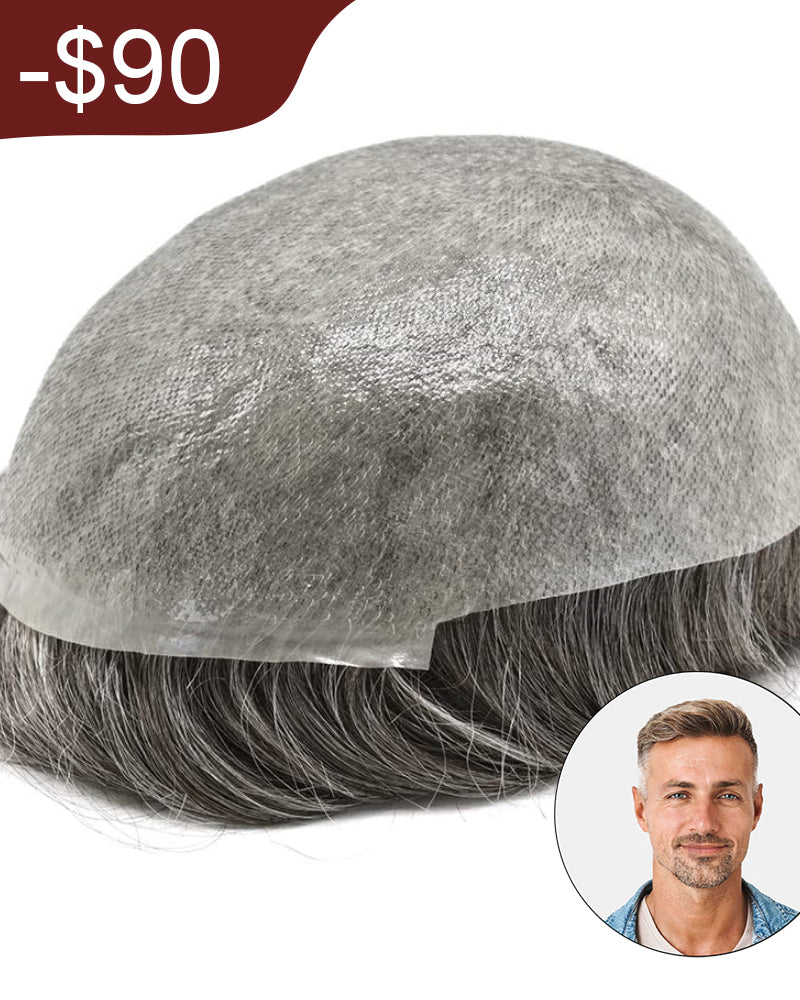
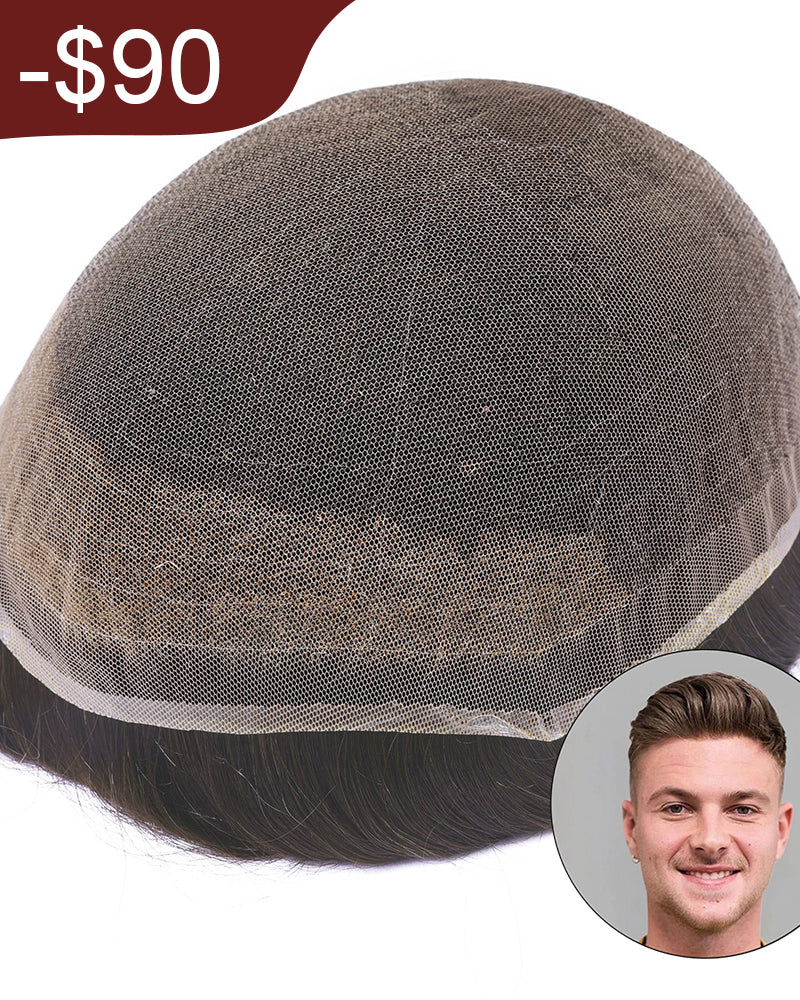
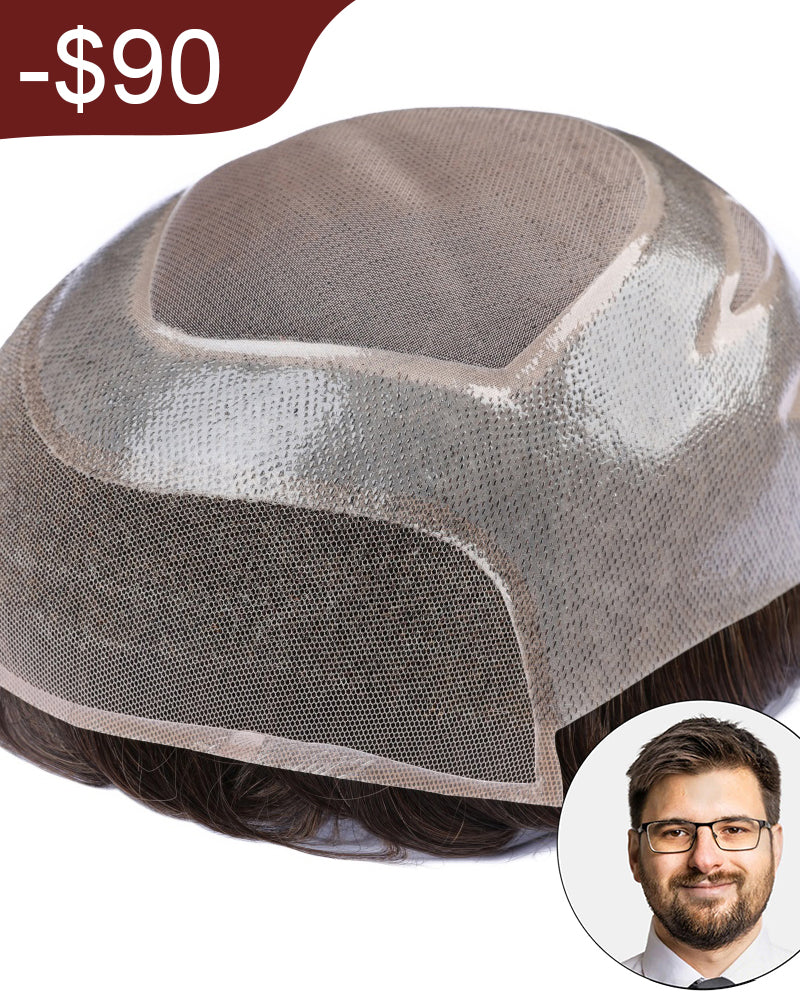
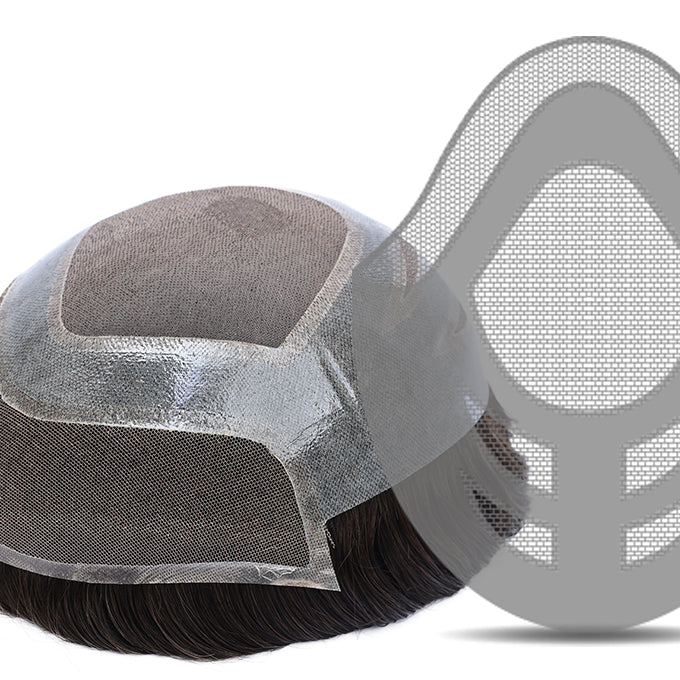
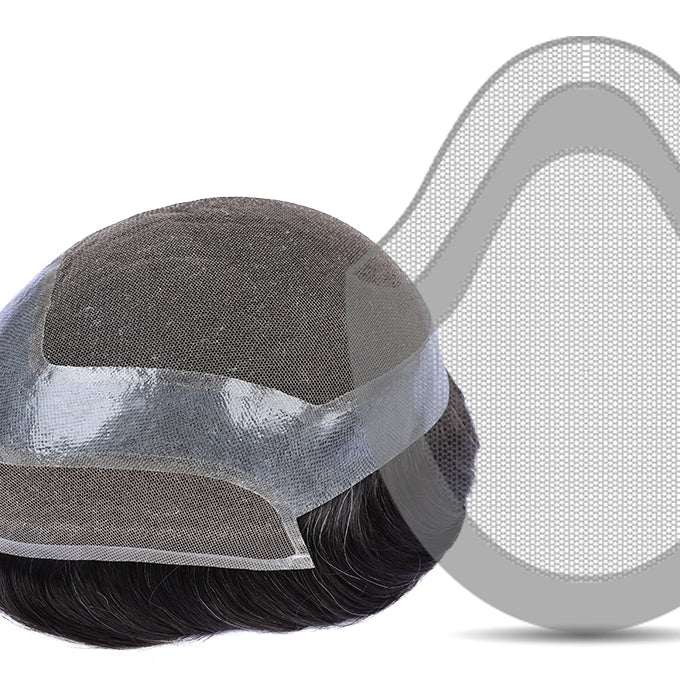
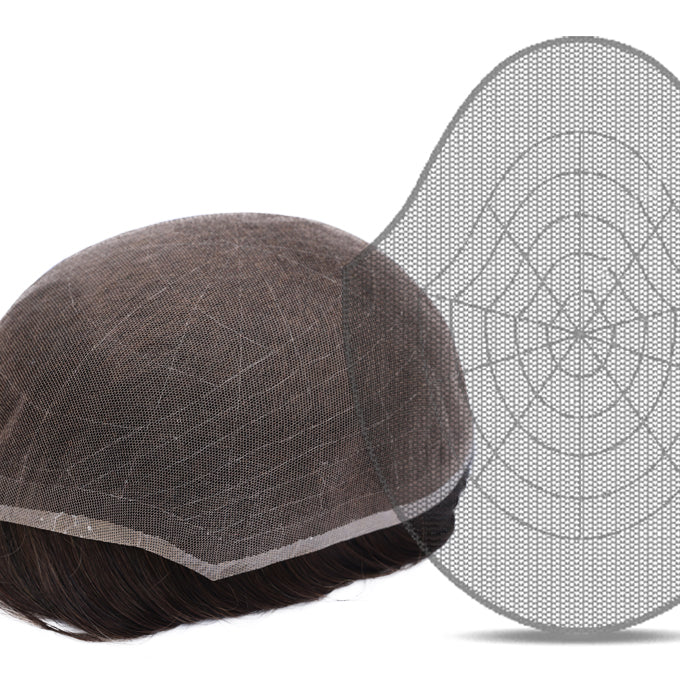
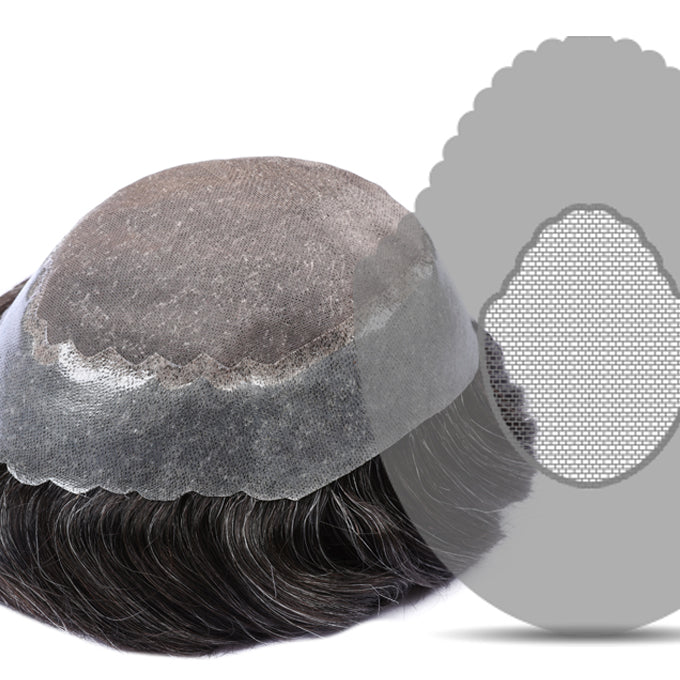
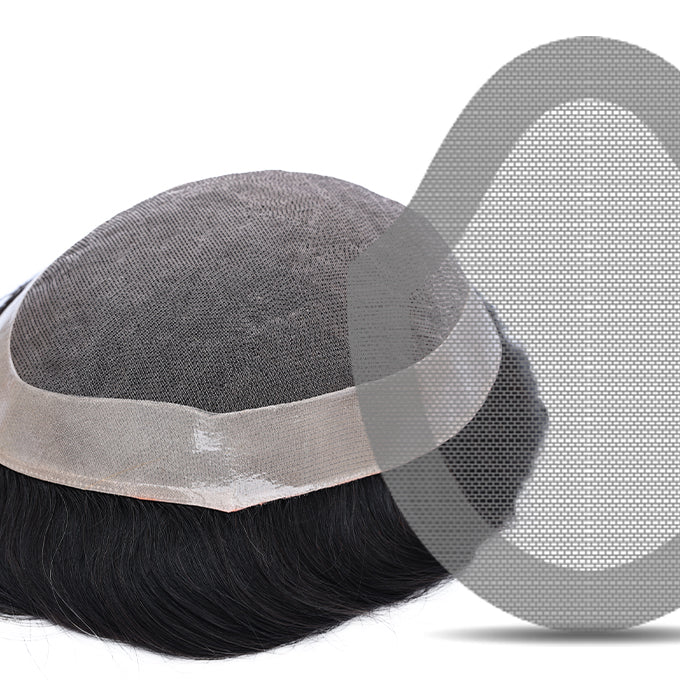
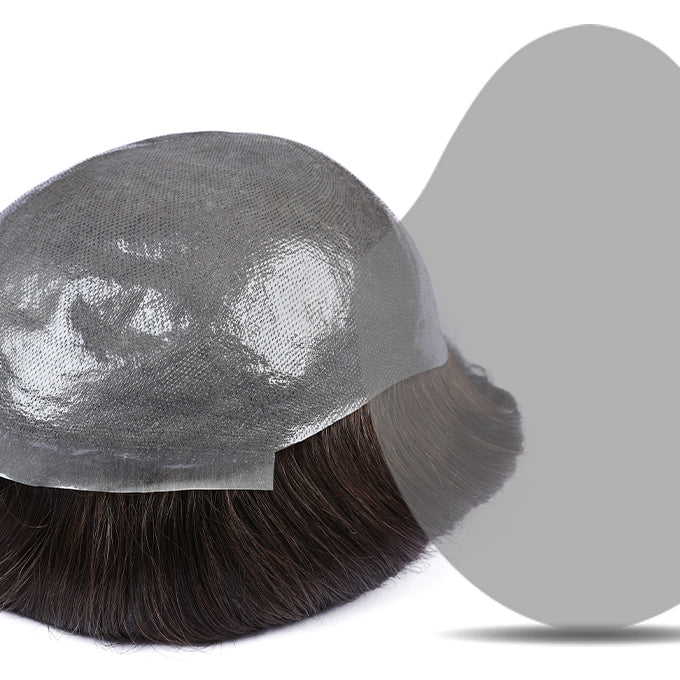
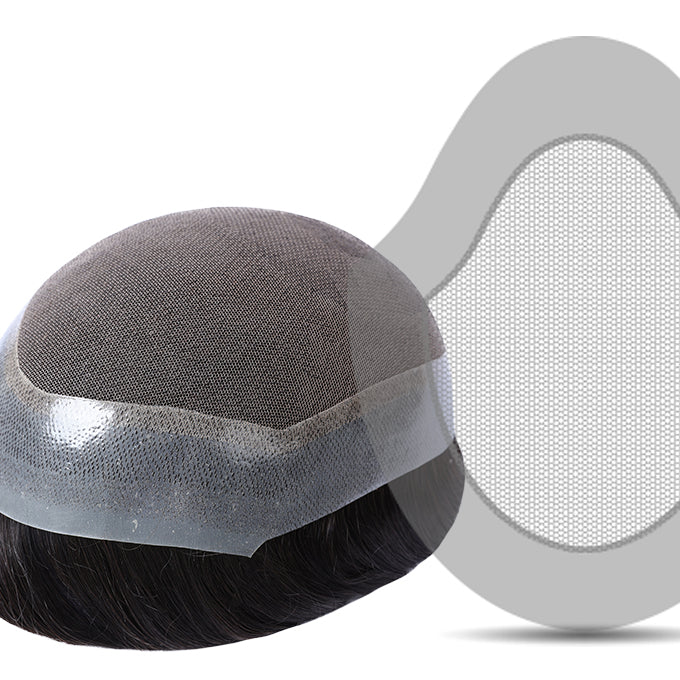
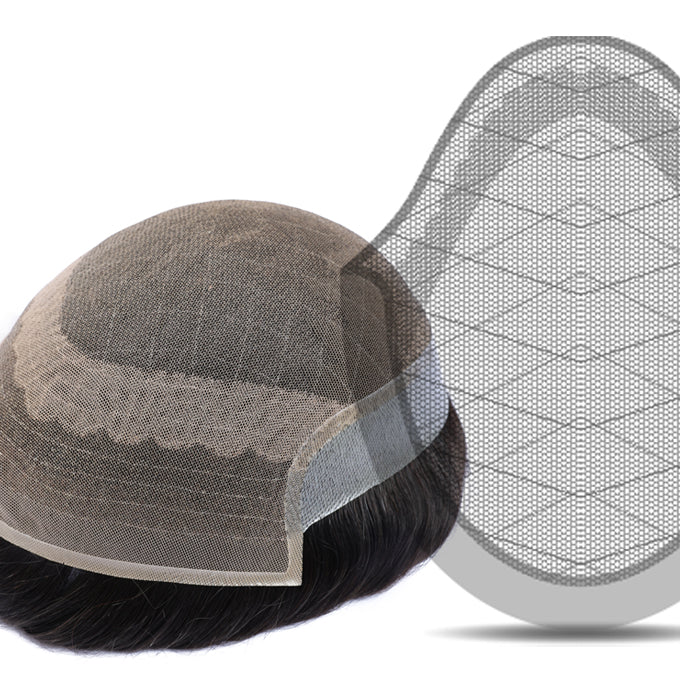
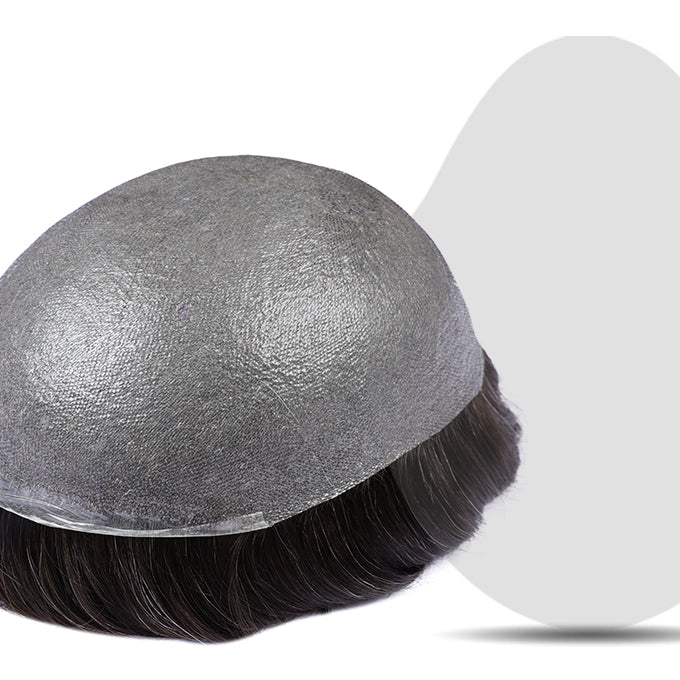
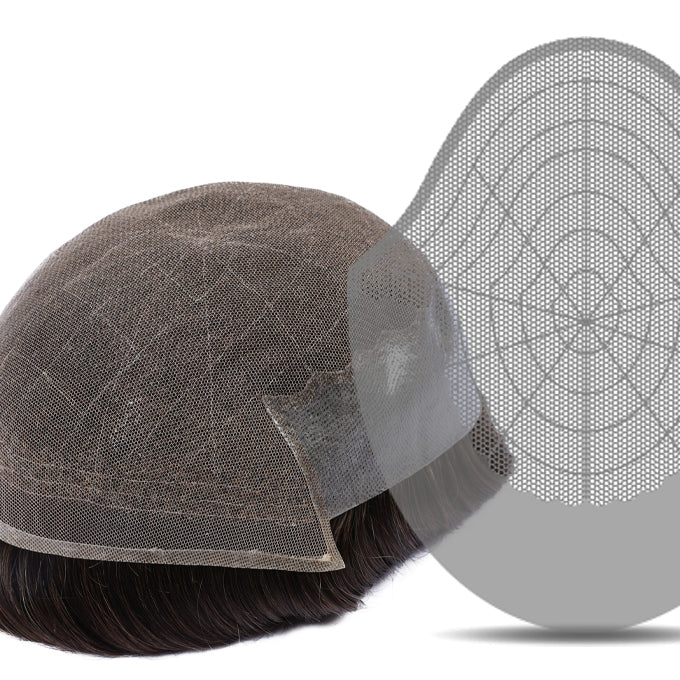
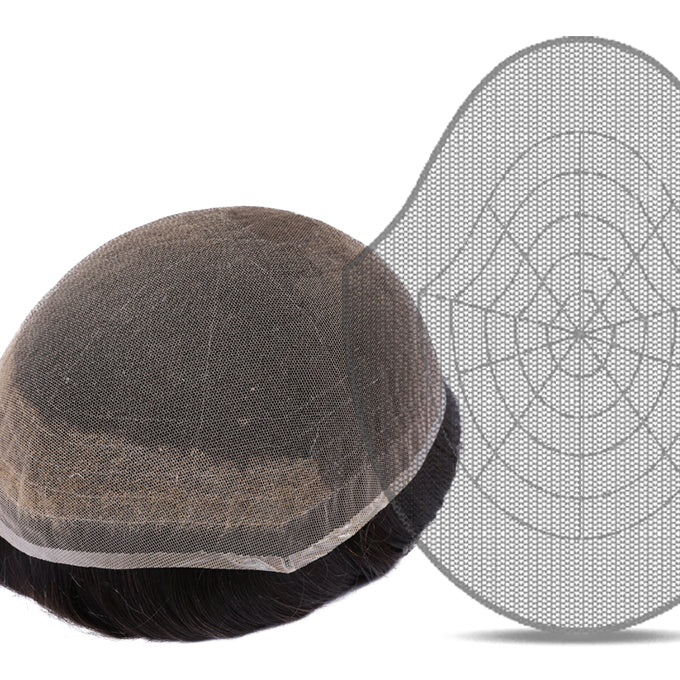
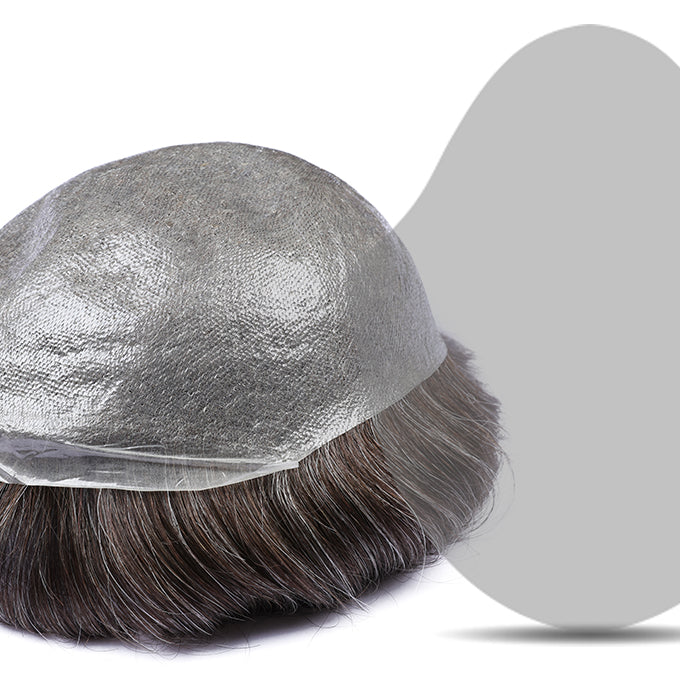
When paired with breathable bases such as lace, mono, or ultra-thin skin, lightweight density creates an experience that feels closer to natural hair than ever before.
For clients in warm climates or those who exercise regularly, this difference becomes even more noticeable.
At Genthair, many customers tell us that switching to a lighter density made them forget they were even wearing a system. That level of comfort transforms daily life.
Age-Appropriate Styling
There is a subtle but important psychological factor at play: believability.
A 55-year-old executive with extremely thick, dense hair can unintentionally draw attention because it looks inconsistent with natural aging.
Light density offers softer front hairlines, natural recession options, gentle layering, and professional styling versatility.
It allows you to look refreshed, not replaced. The goal of modern hair replacement is enhancement — not transformation into someone else.
Ideal Base Pairings for Lightweight Density
The base you choose matters just as much as the density.
Lace Base + Light Density: Best for maximum breathability and invisible hairlines.
Mono Base + Light Density: Great durability and natural scalp appearance.
Ultra-Thin Skin (PU) + Light Density: Provides a clean, modern look with seamless adhesion.
Each base enhances the softness of light density in a different way. Choosing the right one depends on your styling habits, climate, and maintenance routine.
Styling Freedom Without Bulk
Heavy density systems often require thinning to reduce bulk. With lightweight systems, you start closer to a natural baseline.
This allows side parts, slightly messy textures, short professional cuts, and subtle pompadours.
Because the hair is not overcrowded, it responds better to heat styling and holds shape without appearing stiff.
If you prefer a clean, effortless daily look, lightweight density simplifies your routine.
Psychological Impact: The Quiet Confidence Effect
Hair loss can affect more than appearance — it can influence posture, eye contact, and social engagement.
A hair system that feels too dense may create anxiety about being “found out.” A lightweight system reduces that mental load.
When you know your hair looks believable, you stop checking reflections, stop adjusting constantly, and focus on conversations instead of appearance.
This is quiet confidence — not dramatic, not loud, simply ease.
Is Lightweight Density Right for Everyone?
Not necessarily.
If you are in your 20s or 30s and previously had very thick hair, you may prefer medium density. If you want dramatic volume, lightweight may feel too subtle.
However, for men 40+, first-time wearers, professionals, and those seeking undetectable results, lightweight density is often the smartest choice.
How Genthair Customizes Lightweight Systems
At Genthair, we focus on three pillars: 100% real human hair, precision ventilation, and natural hairline design.
Our lightweight systems are carefully calibrated to avoid gaps while maintaining softness. We balance strand direction, knotting technique, and density distribution so the result looks organic rather than sparse.
We also adjust density gradually from front to crown — just like natural growth patterns.
Final Thoughts: Realism Over Excess
The modern standard for hair systems is not thickness — it is realism.
Lightweight density reflects maturity and sophistication. It enhances rather than exaggerates.
True confidence does not come from having more hair. It comes from having hair that feels like yours.
