

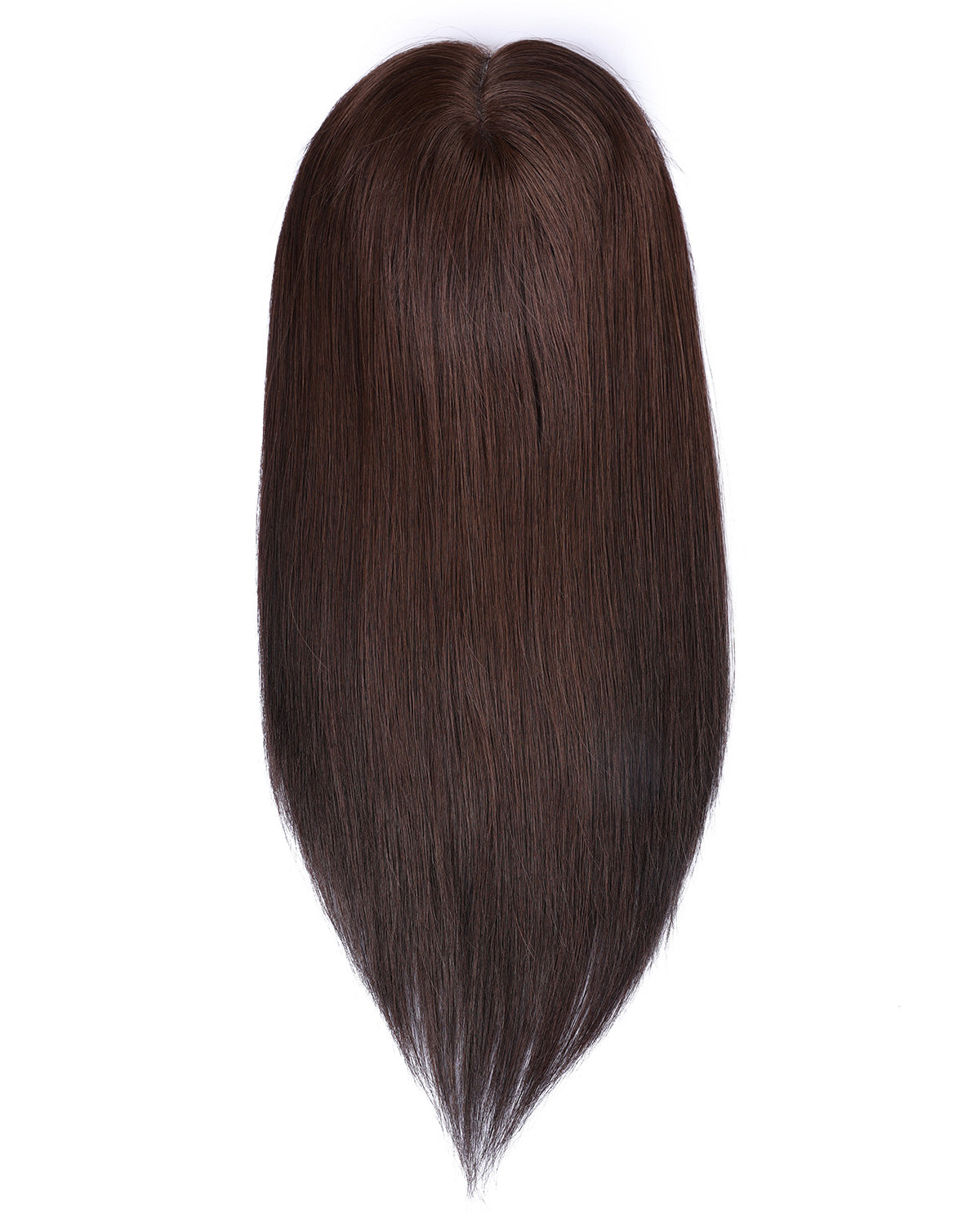


Hair loss often starts quietly—a few extra strands in the shower, a slightly thinner ponytail, or a part that seems to widen over time. It’s easy to brush these signs aside, telling yourself, “It’s just stress” or “It’ll grow back.” But ignoring early hair loss isn’t just about letting thinning worsen—it can limit your options, amplify emotional strain, and make finding a natural-looking solution far harder. And when it comes to hairpieces or hair systems (a popular, versatile fix), delaying action can turn a seamless transformation into a frustrating struggle. Here’s why early attention matters:
1. Thinning Turns to Baldness: Hairpieces Become Harder to Blend
Early hair loss usually involves gradual thinning—think sparse patches or a softer hairline. At this stage, even a lightweight hairpiece or topper can blend effortlessly with your remaining hair, creating a natural look that’s nearly undetectable.
But when ignored, thinning progresses:
l Follicles shrink and stop producing hair, leaving larger, smoother bald patches.
l The hairline recedes or the crown thins significantly, leaving less “natural hair” to anchor a hairpiece.
Suddenly, achieving a seamless blend becomes much harder. Hairpieces may sit awkwardly on bare scalp, require more adhesive (which can irritate skin), or lack the “soft transition” that makes them look real. What could have been a quick, comfortable fix turns into a constant battle to hide edges or avoid slippage.
2. Emotional Stress Builds: Confidence Takes a Hit
Hair loss isn’t just physical—it’s tied to how we see ourselves. Early on, you might feel self-conscious but still manage with styling tricks (like teasing or volumizing products). But as thinning worsens:
l You avoid photos, hats become a “security blanket,” and social events feel daunting.
l Low self-esteem creeps in, making it harder to embrace solutions like hairpieces—you might worry, “Will this make me look fake?” or “What if people notice?”
By the time you’re ready for a hairpiece, that emotional weight can make it harder to enjoy the transformation. You may second-guess your choice, avoid trying new styles, or feel like the hairpiece is a “cover-up” rather than a boost. Starting earlier lets you address insecurities before they deepen, so you can wear your hairpiece with confidence, not anxiety.
3. Limited Hairpiece Options: Style and Comfort Suffer
Hairpieces come in endless textures, lengths, and densities—but the best fit depends on your hair loss stage.
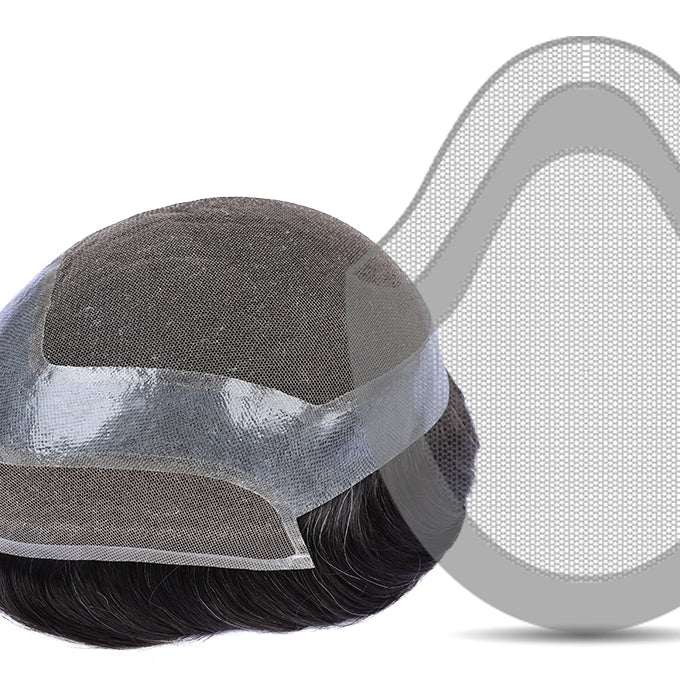
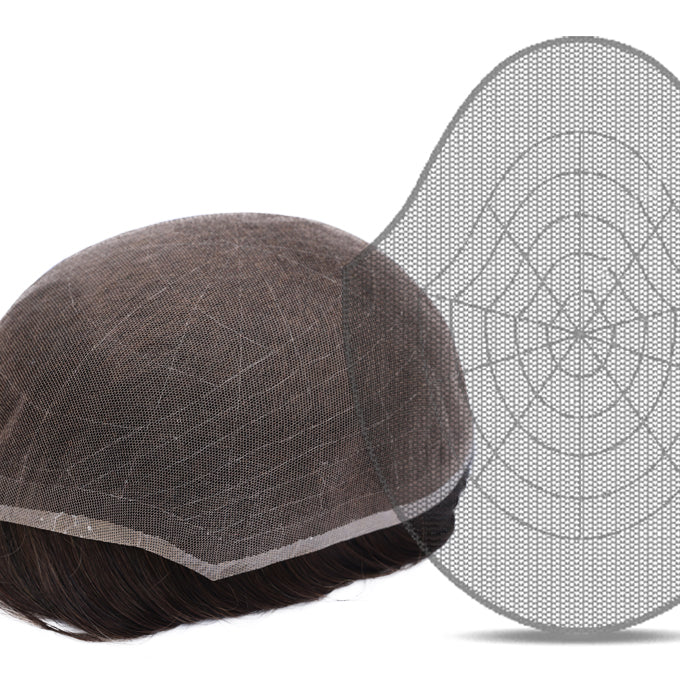
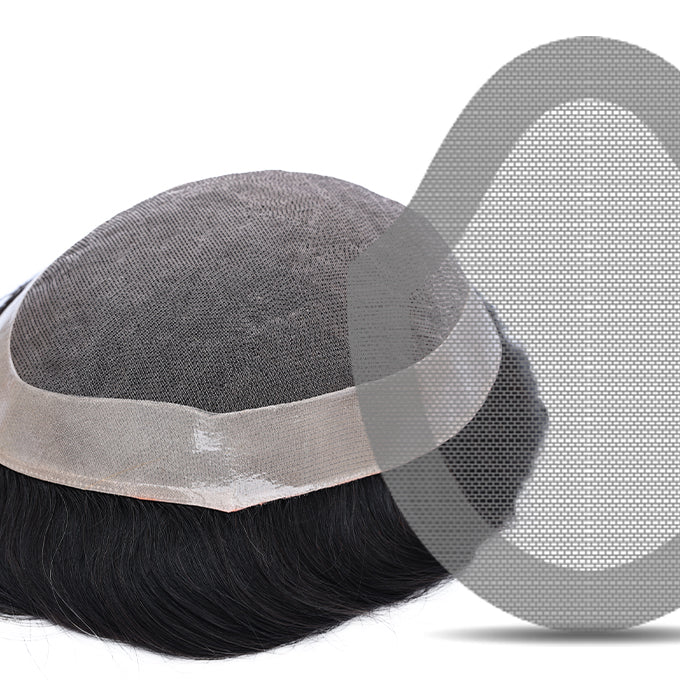
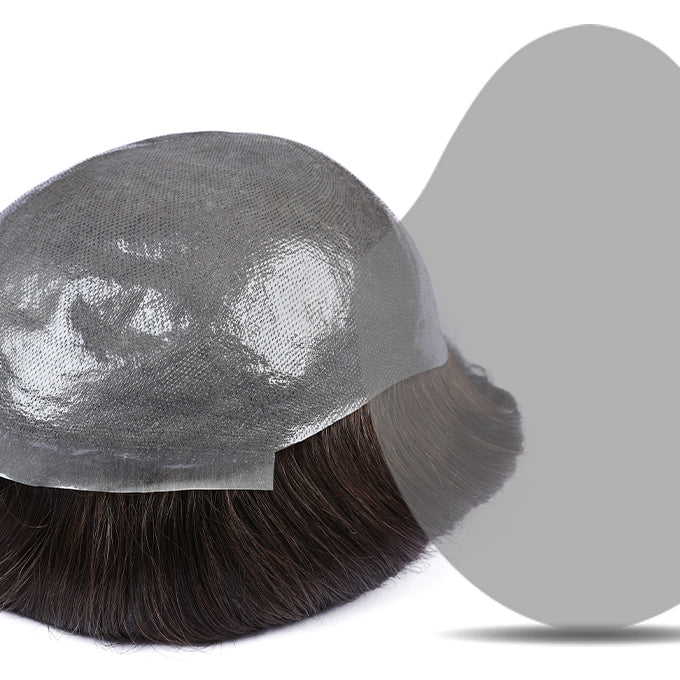
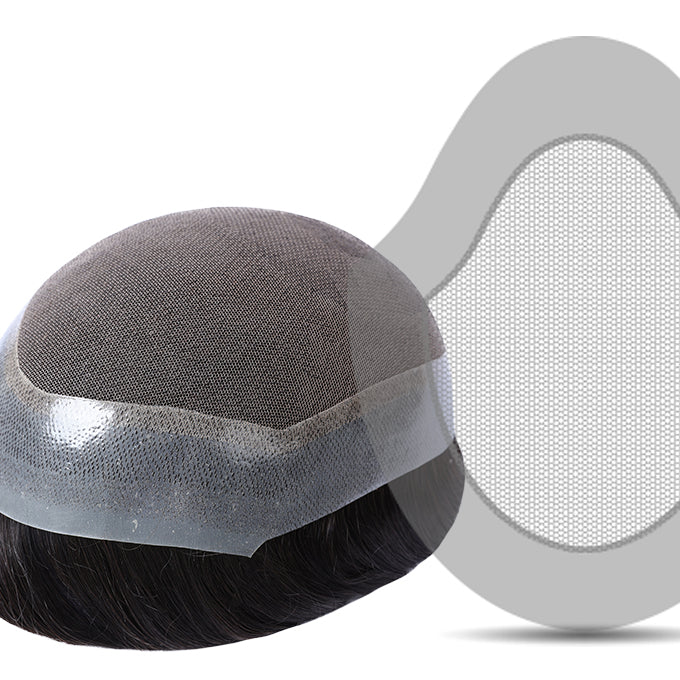
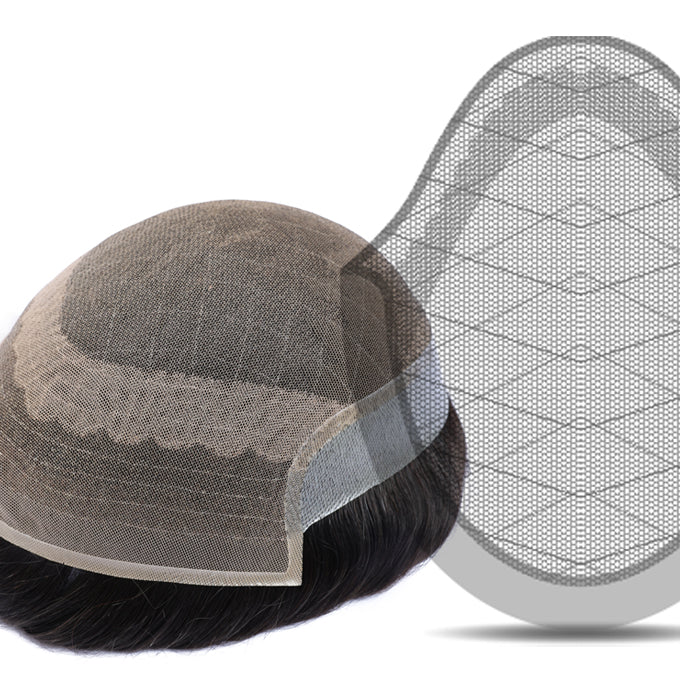
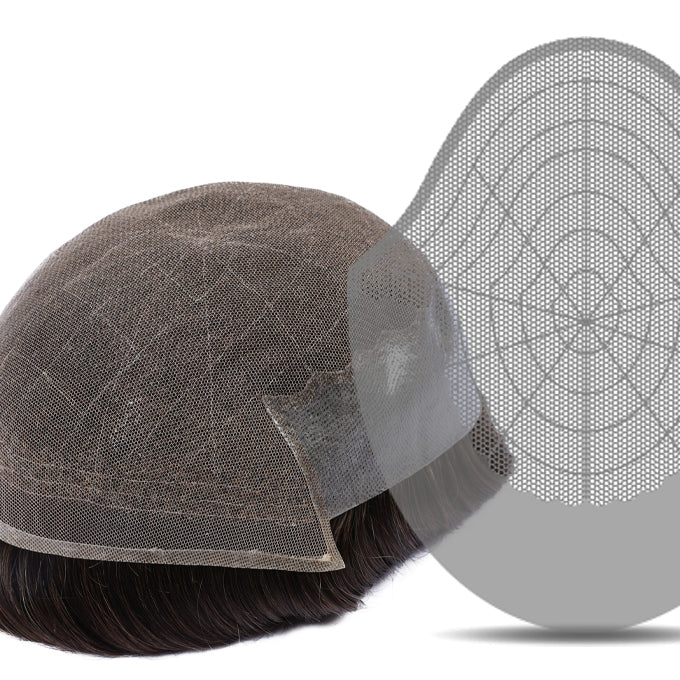
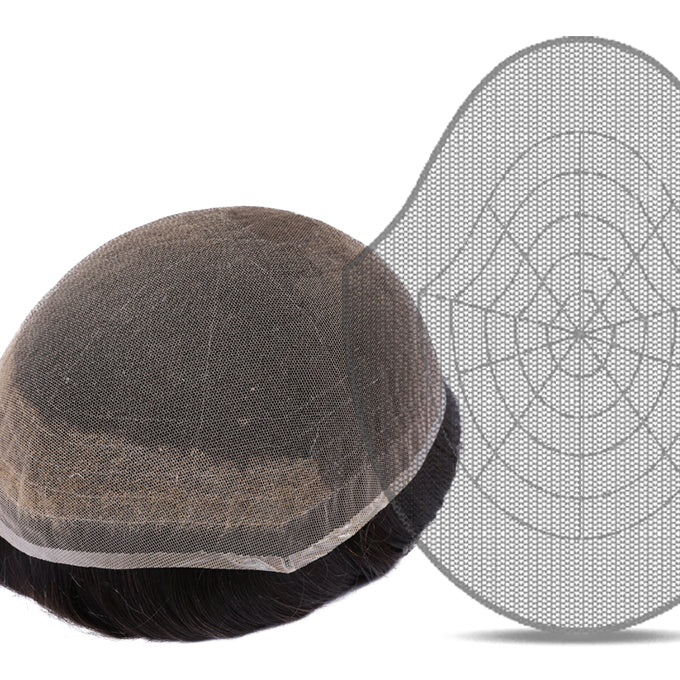
l Early thinning: You can opt for lightweight, breathable options (like lace-front toppers or partial hairpieces) that add volume only where needed. These feel comfortable, stay cool, and let your natural hair peek through for realism.
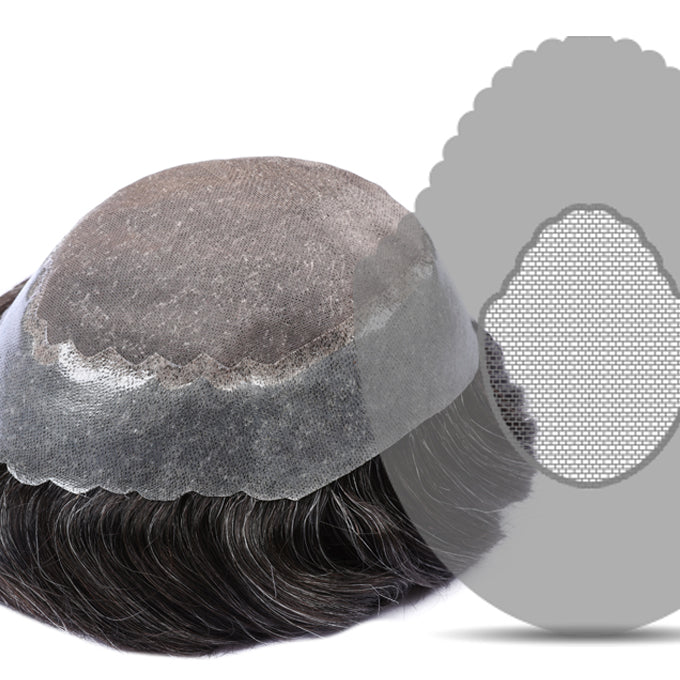
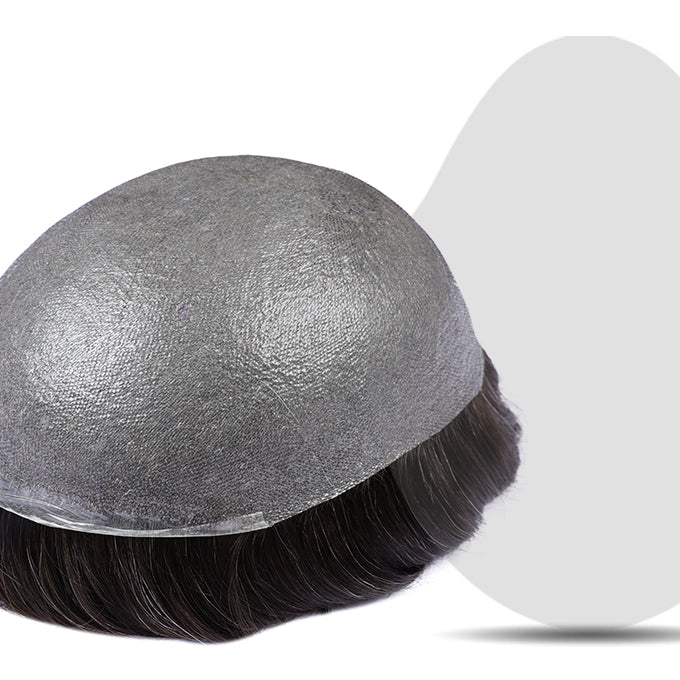
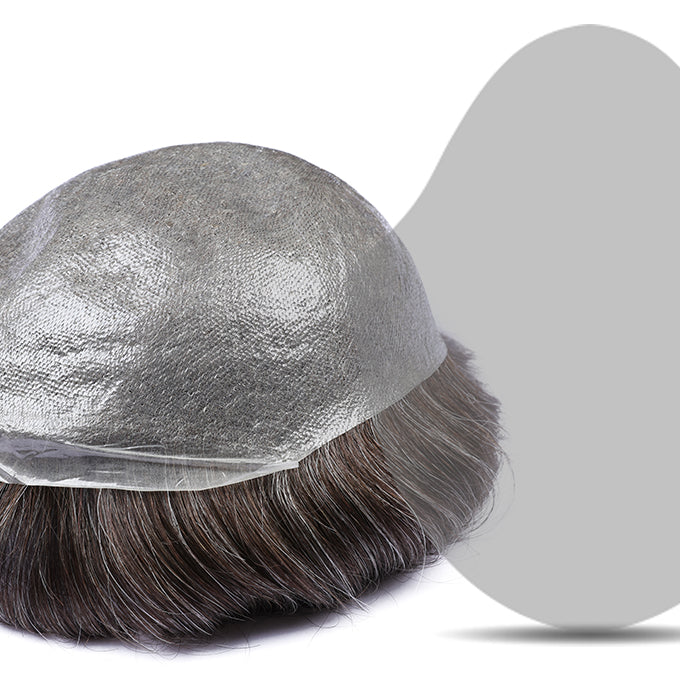
l Advanced baldness: You may need a full-cap hairpiece, which can feel heavier or warmer (especially in hot weather). Finding a density that matches your “original” hair (thick, curly, fine) becomes trickier, as memory of your natural texture fades. You might end up with a hairpiece that feels “too much” or “not you,” simply because you’re no longer sure what “natural” looks like.
4. Cost Adds Up: Quick Fixes Become Costly
Ignoring hair loss often leads to a cycle of “band-aid” solutions: expensive volumizing shampoos, laser caps, or unproven supplements that rarely work long-term. By the time you turn to hairpieces, you’ve already spent money on ineffective fixes—money that could have gone toward a high-quality hairpiece earlier.
Worse, advanced hair loss may require more frequent hairpiece replacements or customizations (like adjusting the cap size for a bare scalp or adding extra layers to mask bald spots). What could have been a one-time investment in a versatile hairpiece becomes an ongoing expense.
5. You Miss the “Sweet Spot” for Natural Styling
One of the biggest perks of hairpieces is their versatility—you can switch from sleek bobs to beach waves in minutes. But when hair loss is advanced, styling freedom shrinks:
l Bald patches limit how you can part or pin the hairpiece, restricting you to “safe” styles that cover bare areas.
l Scalp sensitivity (from years of irritation or sun exposure) may make tight styles (like ponytails) uncomfortable.
In early stages, with more natural hair to work with, you can experiment—tuck a few real strands over the hairpiece’s hairline, blend layers, or even wear half-up styles. It’s this flexibility that makes hairpieces feel like an extension of your own style, not a rigid “uniform.”
The Takeaway: Early Action = Better Hairpiece Experiences
Hair loss doesn’t have to be permanent, but waiting to address it can make even great solutions like hairpieces harder to love. Whether you’re considering a hairpiece now or later, noticing early signs gives you control: you can choose a style that matches your current hair, blend it effortlessly, and wear it with the confidence of someone who’s taking charge—not hiding.
Don’t let “maybe later” turn into “I wish I’d started sooner.” Your hair (and your confidence) deserve better.
Ready to explore hairpieces that work with your current hair? Start with lightweight toppers or lace-front styles—they’re designed to grow with you, even as your needs change.
