
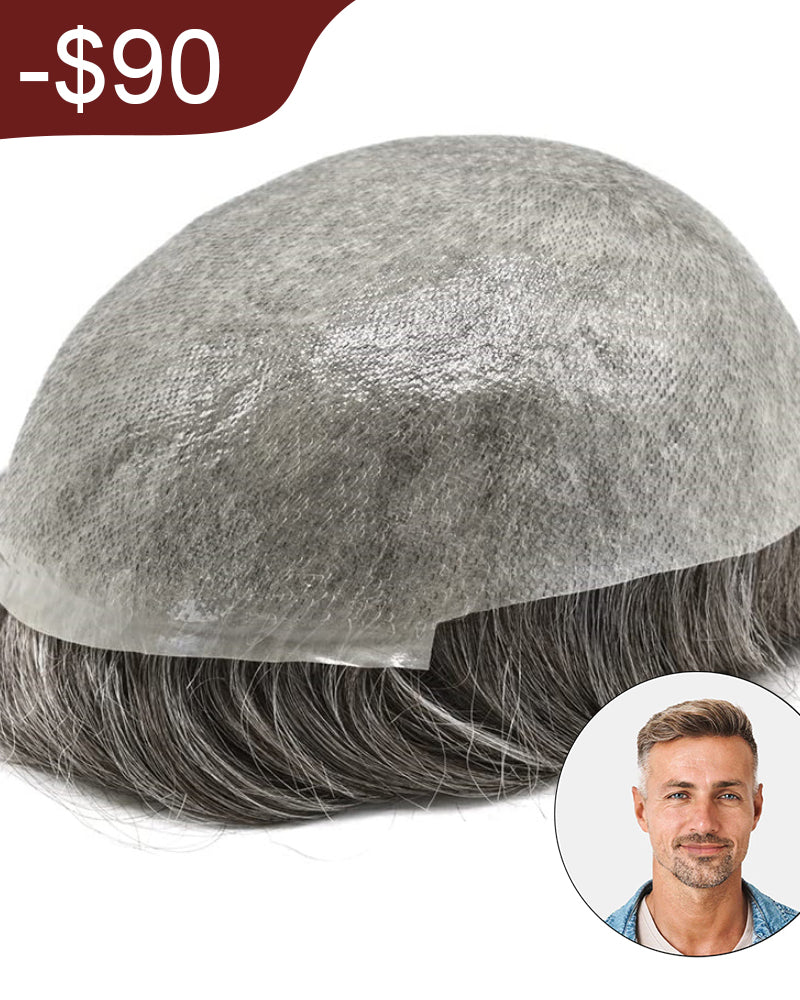
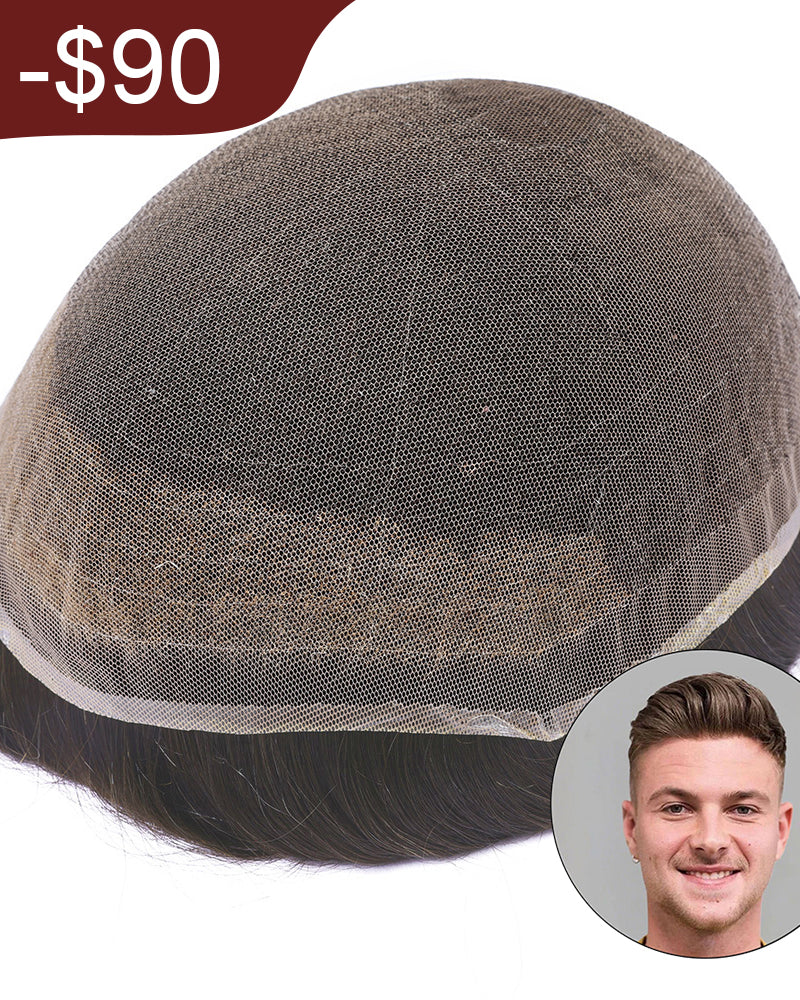
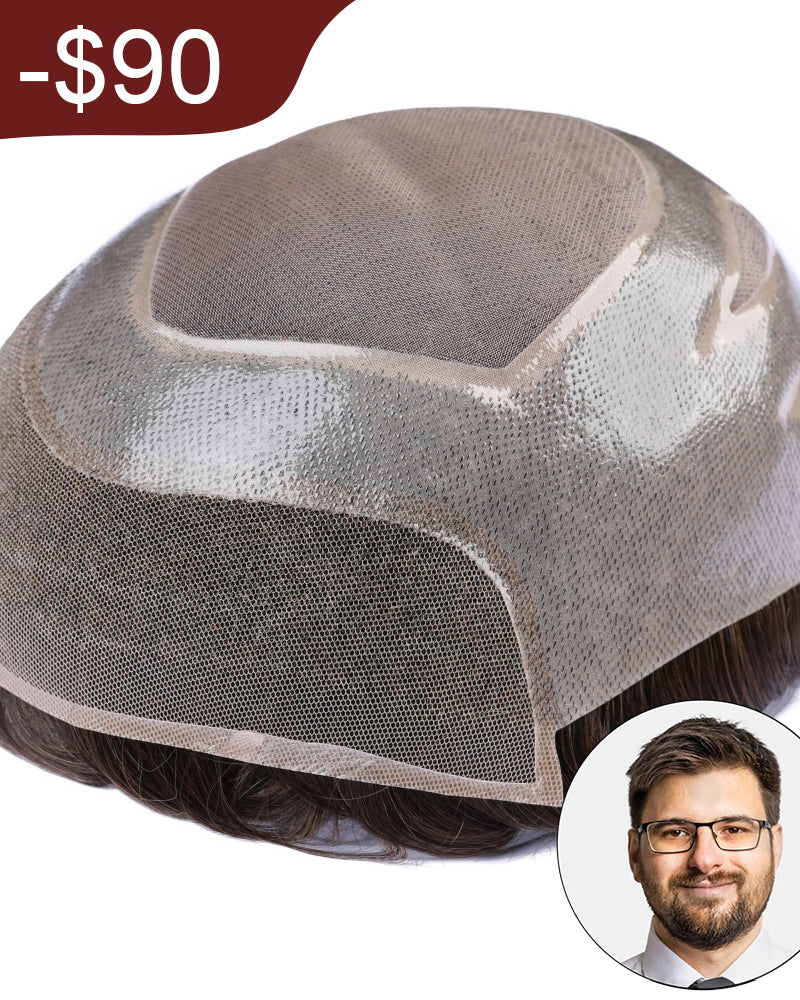

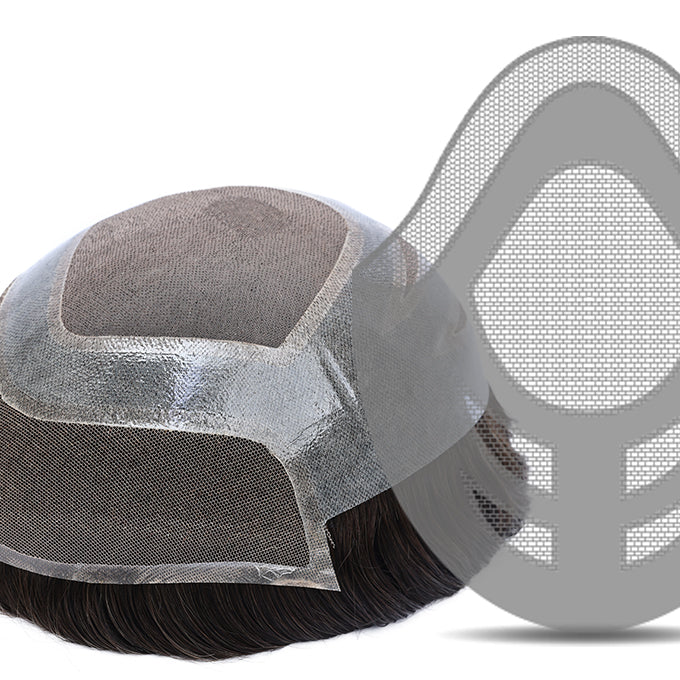
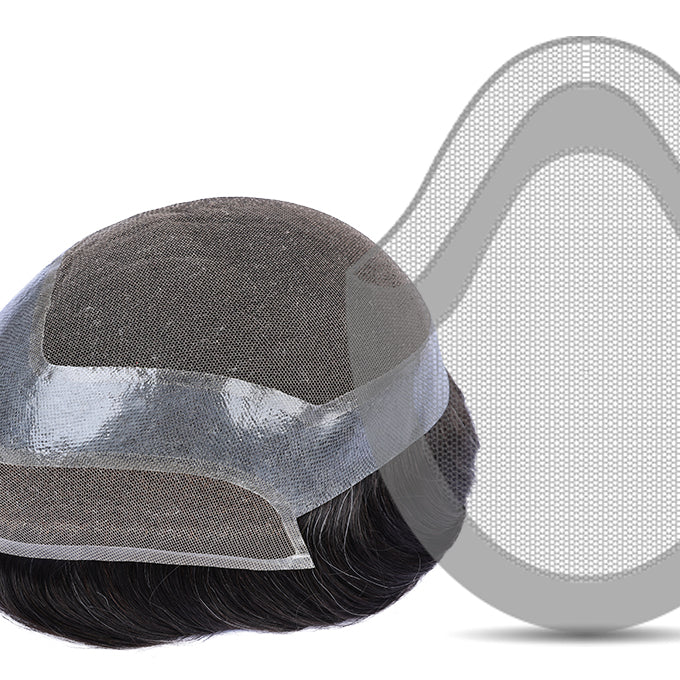
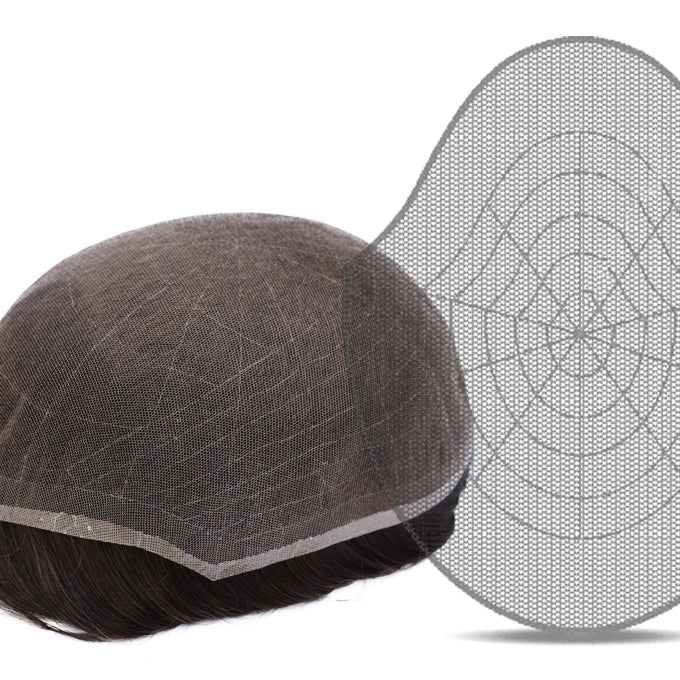
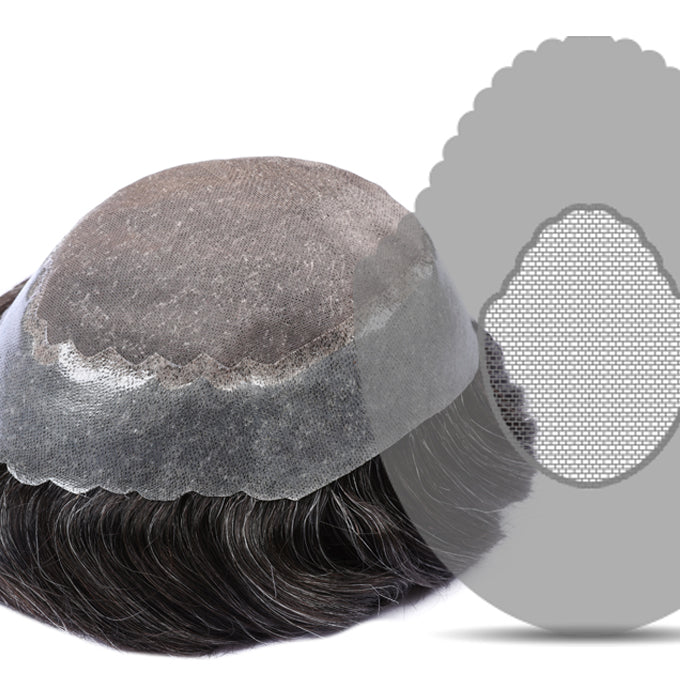
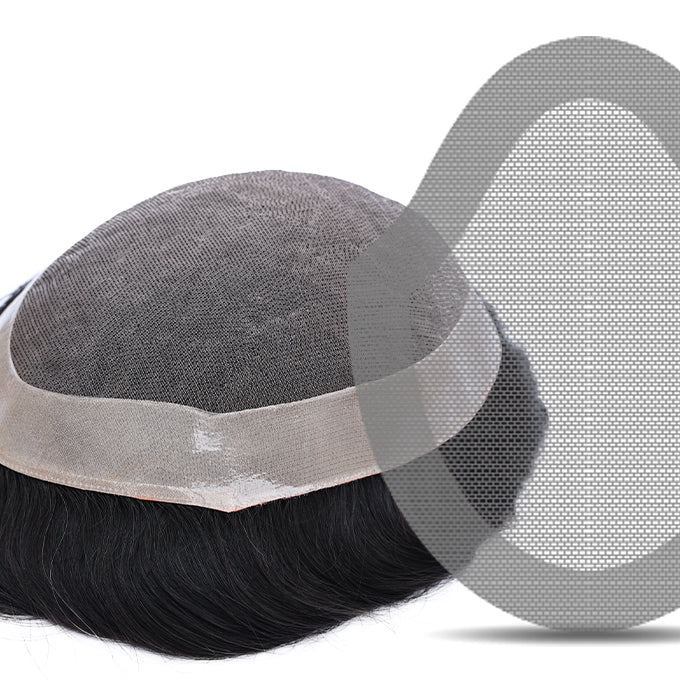
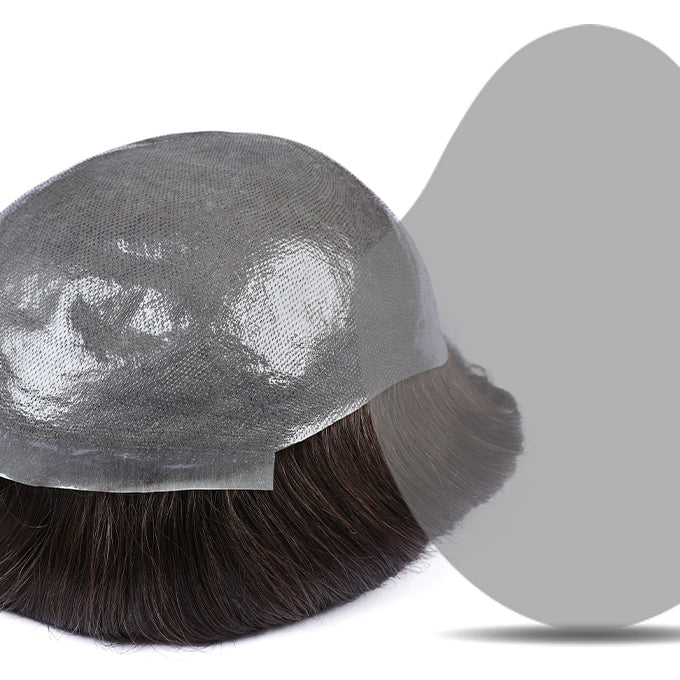
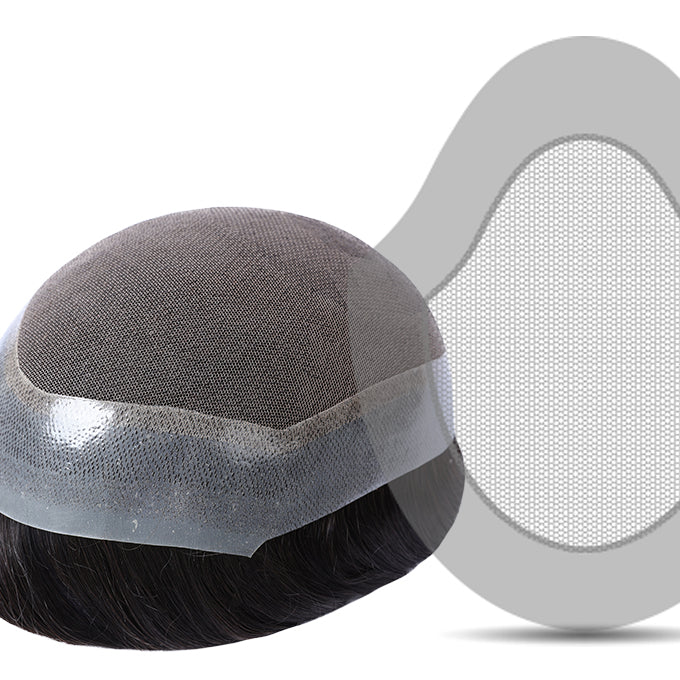
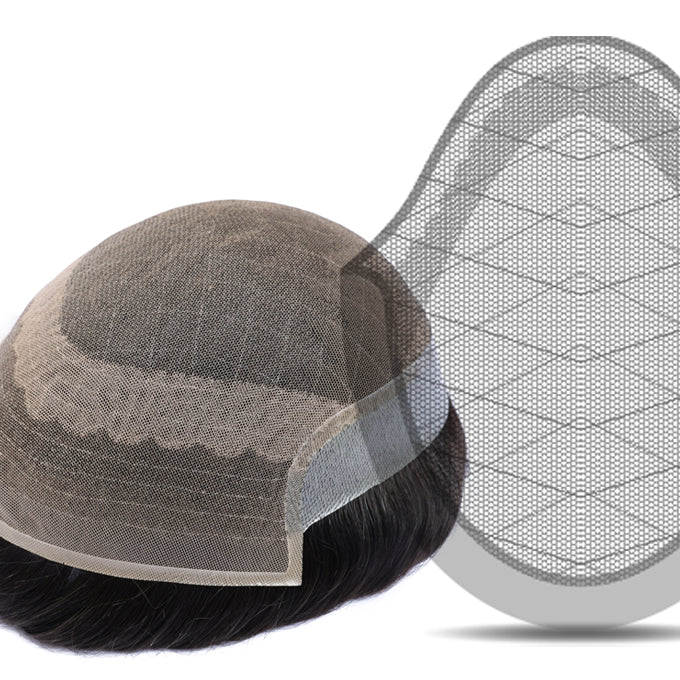
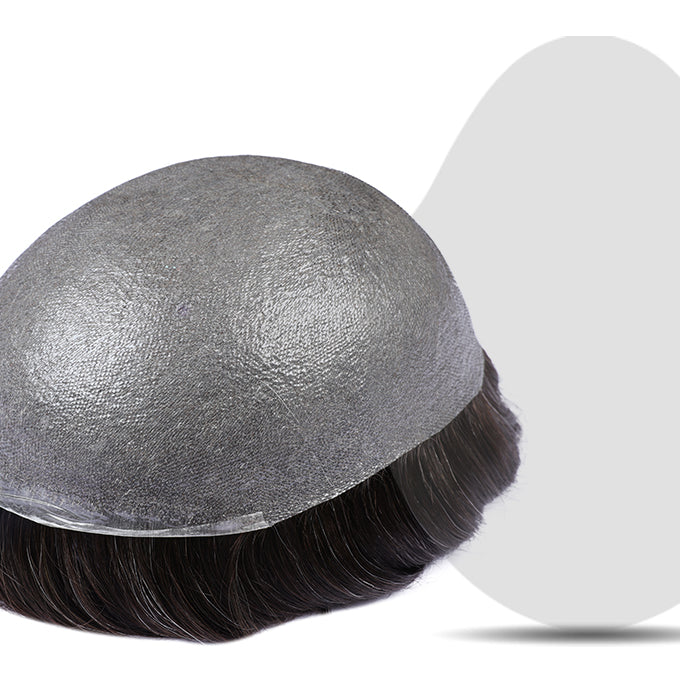
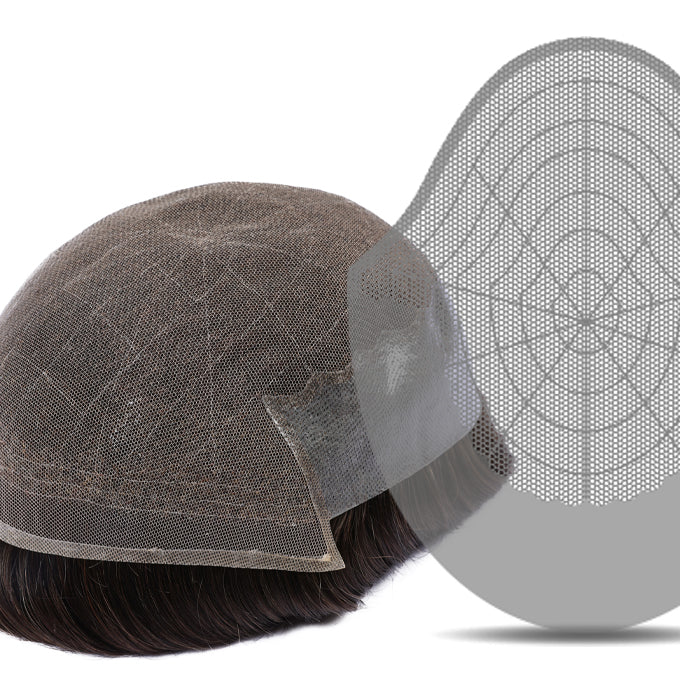
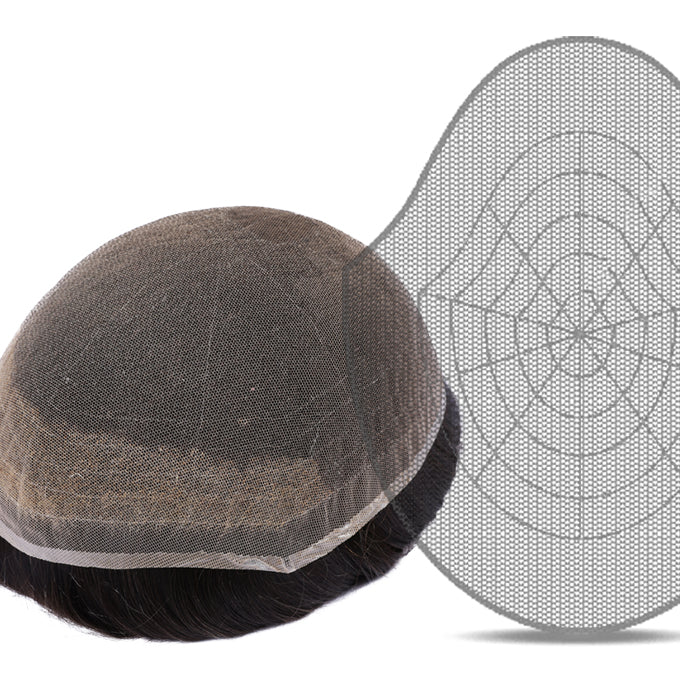
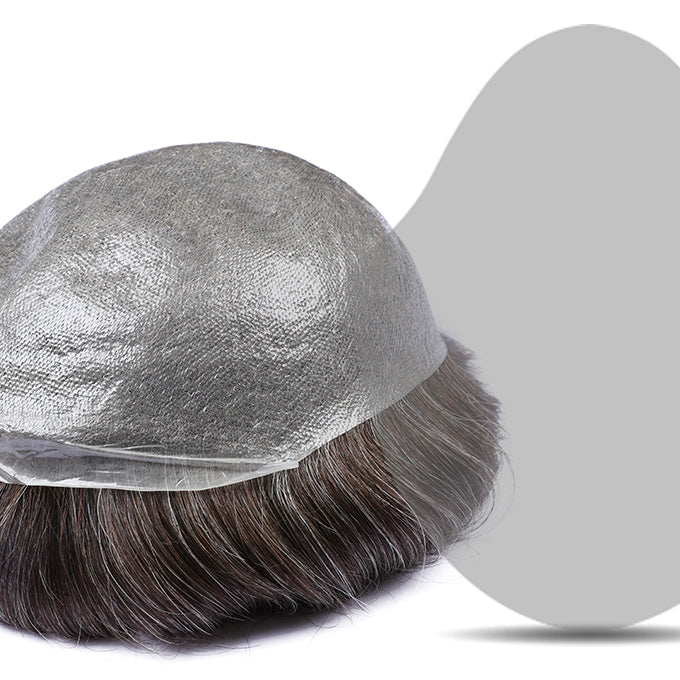
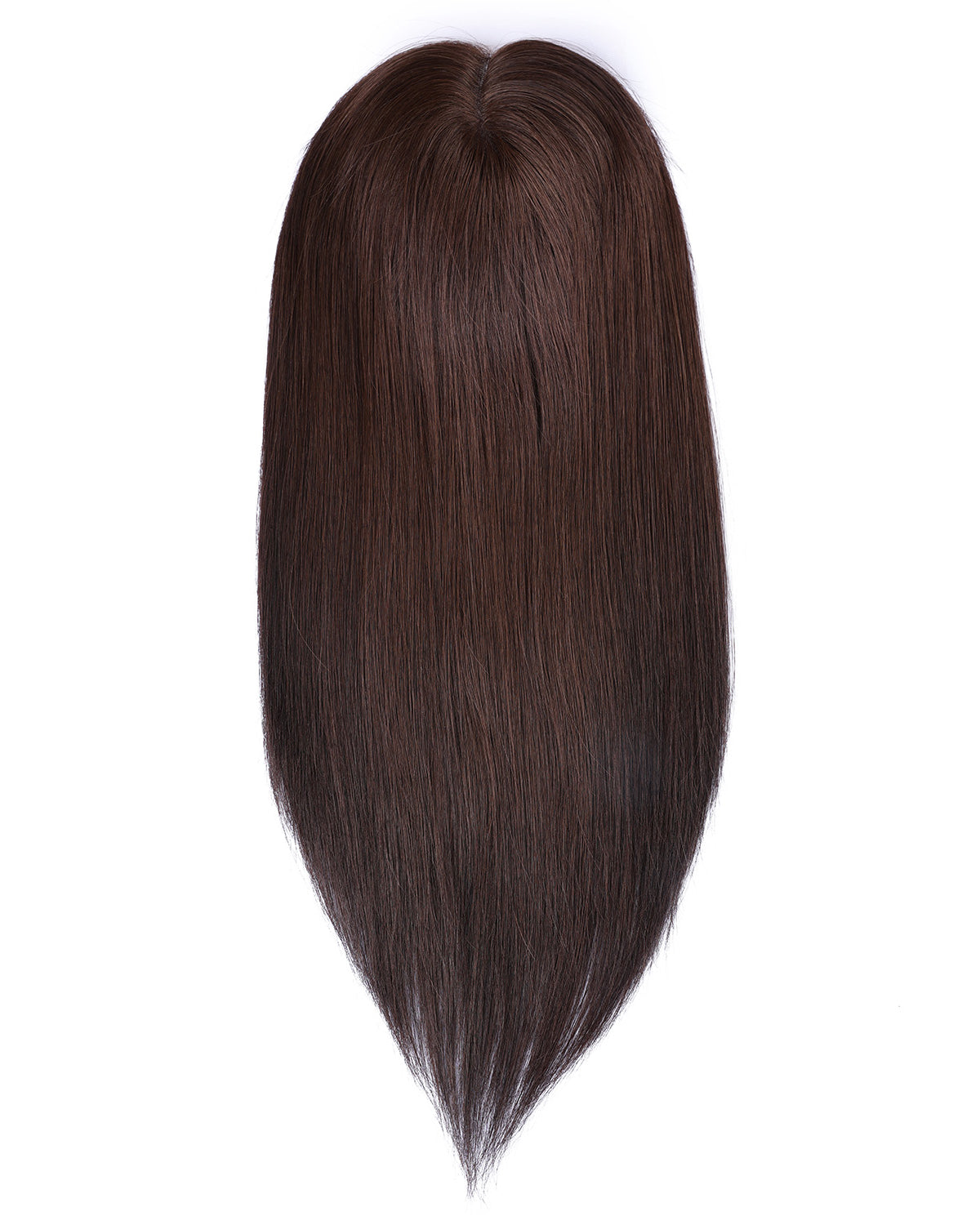


Choosing a hair system becomes more complicated when your natural hair has started turning grey or white. You may want to restore coverage on the top of your head, but you also want the replacement hair to blend naturally with the thinner hair around the sides. If the system looks too thick, the difference can become noticeable even when the color is close to your own.
This is why an ultra-low density grey hair system can be an appealing option for mature men. By combining a lighter hair distribution with grey or white shades, it offers a way to restore coverage without creating an excessively full appearance.
At Genthair, choosing the right men’s hair system means considering the complete hairstyle, not just the area that needs coverage. Density, color, hair direction, base construction, and styling all contribute to a natural-looking result.
Why the Transition Between the Top and Sides Matters
One of the most common challenges in hair replacement is creating a smooth transition between the hair system and the wearer’s existing hair.
As men age, the hair on the sides and back may become finer or less dense. If the replacement system on top is significantly thicker, the contrast can make the hairstyle look disconnected.
An ultra-low density system can help reduce this visual difference. Its lighter appearance is often more compatible with naturally thinning hair, particularly when the wearer prefers a short or understated hairstyle.
Genthair encourages customers to consider their existing side hair before selecting a density. The aim is to create a balanced hairstyle rather than simply maximize the amount of hair on top.
Why Grey Hair Requires Careful Density Matching
Grey and white hair create a different visual effect from darker hair. Individual strands may reflect more light, making differences in texture and distribution easier to notice under certain conditions.
When a grey hair system is too dense for the wearer’s natural appearance, the top can look unusually full compared with the surrounding hair.
An ultra-low density system creates more space between individual strands, helping the hairstyle maintain a lighter visual texture.
For men choosing a grey human hair system, matching density with color is therefore an important part of achieving a believable result. Genthair offers hair system options for customers who prioritize a subtle appearance over dramatic volume.
Coverage Does Not Have to Mean Maximum Fullness
Many men initially associate hair replacement with thick, full hair. However, restoring coverage and creating volume are two different goals.
You may want to cover a thinning crown, improve the appearance of the top, or create a more complete hairstyle without making your hair look significantly thicker than before.
Ultra-low density is worth considering when this is your priority.
Rather than creating a dramatic change, the system aims to complement the wearer’s existing appearance. For mature men with grey hair, this can be a more suitable direction than choosing a dense hairstyle that does not match their natural hair.
At Genthair, density selection should reflect your desired result, existing hair, and preferred styling rather than a simple preference for more hair.
Choosing a Hairstyle That Supports a Natural Blend
The haircut plays an important role in making a hair system look natural.
Shorter hairstyles can help create a consistent shape between the top and sides. A soft side part or lightly textured style can also work well because it avoids excessive height and makes the hair appear less structured.
The right choice depends on your face shape, the density of your natural hair, and how you normally wear your hair.
When styling a Genthair hair system, it is worth discussing the desired final look with an experienced hair professional. A suitable cut can help the system blend with the surrounding hair and prevent an obvious difference in volume.
Grey Percentage Matters as Much as Density
Grey hair is not always completely white. Many men have a mixture of white, silver, grey, and darker strands.
This mixture creates the familiar salt-and-pepper appearance, which can look more natural than a uniform color when it matches the wearer’s existing hair.
Before choosing a system, consider the proportion of grey in your natural hair. A system that is much whiter or darker than the sides may create a visible contrast even if its density is appropriate.
Genthair customers should consider color and density together. The best combination is the one that complements the wearer’s existing hair and preferred style.
How Lighting Can Affect the Final Appearance
A hair system may look different in a bathroom mirror, outdoors, or under office lighting. Grey and white strands can reflect light differently depending on their surroundings.
This is another reason not to judge a system by density alone.
A natural-looking result depends on the interaction between color, strand distribution, hairstyle, and lighting. A lighter density can help maintain a softer appearance, but the overall effect still depends on choosing a suitable shade and styling the hair appropriately.
For Genthair wearers, considering how the hairstyle looks in everyday environments is more useful than focusing only on its appearance in a single photo.
Is Ultra-Low Density Right for Everyone?
Not necessarily. Ultra-low density is best suited to men who prefer a very light appearance or whose existing hair is naturally fine and sparse.
Men who want a fuller hairstyle, have denser natural side hair, or prefer substantial volume may find that a higher density is more appropriate.
The key is to choose a system that matches your needs instead of assuming that the lowest density will always look the most natural.
Genthair offers different hair system options because natural hair varies from person to person. Considering your existing hair and desired hairstyle can help you make a more informed choice.
Final Thoughts
Creating a natural-looking hairstyle is about achieving balance. The replacement hair should complement your existing hair rather than compete with it.
An ultra-low density grey hair system can be a useful option for men who want to restore coverage while maintaining a soft, mature appearance. When the density, grey percentage, haircut, and surrounding hair work together, the result can look more cohesive and understated.
At Genthair, the focus is on helping men find hair replacement options that suit their individual appearance. Instead of choosing the fullest system available, consider the density and color that will work best with your own hair.
The goal is simple: a hairstyle that looks like it belongs to you.
